
 1 hour ago
1
1 hour ago
1
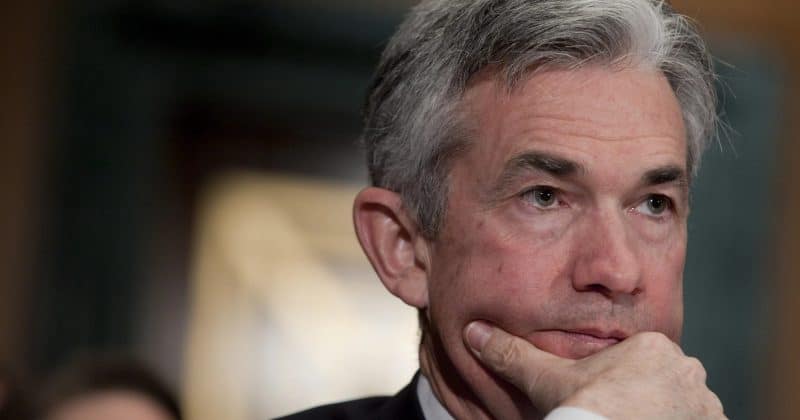
Federal Reserve Bank of San Francisco President Mary Daly said on July 2 that inflation should begin to slow, while cautioning that the economic outlook remains clouded by significant uncertainties.
For crypto and broader risk asset investors, the message is worth parsing carefully. Fed officials telegraphing confidence in disinflation, even qualified confidence, tends to shape expectations around interest rate policy.
What Daly actually said
Daly’s core message was straightforward: inflation is expected to decelerate. Throughout 2026, Daly has pointed to specific pressure points, including tariffs and energy price fluctuations, as ongoing inflation drivers. Geopolitical disturbances, particularly the ongoing conflict in Iran, have added another layer of unpredictability.
Rather than committing to a fixed policy path, Daly has advocated for a flexible, scenario-based approach to monetary policy. This framing is consistent with themes Daly has been developing since at least 2024, when she began publicly emphasizing conditional monetary policy.
Daly also acknowledged artificial intelligence as a potential longer-term factor that could influence deflation, but was careful to note that AI does not currently play a major role in immediate monetary policy considerations.
Why the Fed’s tone matters for markets
Crypto falls squarely into the risk asset category. Bitcoin and the broader digital asset market have historically shown sensitivity to shifts in interest rate expectations. When money gets cheaper, investors tend to move further out on the risk spectrum.
Daly’s comments did not include any specific reference to digital assets or cryptocurrencies. The uncertainty piece of Daly’s message cuts the other way: tariffs, energy shocks, and geopolitical risks don’t resolve themselves on a convenient timeline.
What investors should watch
Daly’s emphasis on scenario-based policymaking is essentially a refusal to commit to a rate direction. For crypto specifically, the prospect of slowing inflation is supportive, but persistent uncertainty about tariffs and energy costs introduces headline risk.
The AI-as-deflation-force angle Daly mentioned is worth noting even if it’s not actionable today. If the Fed eventually incorporates AI-driven productivity gains into its inflation models, it could alter the rate outlook over a multi-year horizon.
Disclosure: This article was edited by Editorial Team. For more information on how we create and review content, see our Editorial Policy.











 English (US) ·