
 1 hour ago
1
1 hour ago
1
Jerome Powell’s term as Federal Reserve Chair ends in May 2026. But he’s not leaving the building.
Kevin Hassett, Director of the White House National Economic Council, publicly criticized Powell on April 30 for his decision to stay on as a member of the Fed’s Board of Governors after his chairmanship concludes. The move effectively blocks the Trump administration from nominating a new board member to fill what would otherwise be an open seat.
The chess match over Fed seats
The Chair position and the governor position are technically separate. Powell’s four-year term as Chair expires, but his term as a governor on the board runs through 2028. So legally, he’s well within his rights to stay.
Hassett’s public expression of “disappointment” is a notable escalation in what has been a long-running tension between the Trump administration and Powell.
Kevin Warsh has already been nominated and confirmed as Powell’s successor in the Chair role. But the administration apparently wanted a clean sweep, a new Chair and a new governor seat to fill, giving them two fresh appointments instead of one. Powell’s decision to remain strips them of that second pick.
Earlier in 2026, Hassett himself was reportedly considered a leading candidate for the Fed Chair position before ultimately staying put at the NEC.
The broader Powell controversy
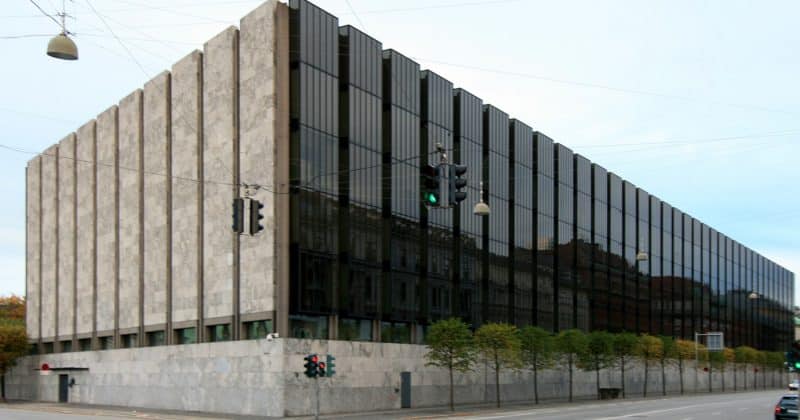
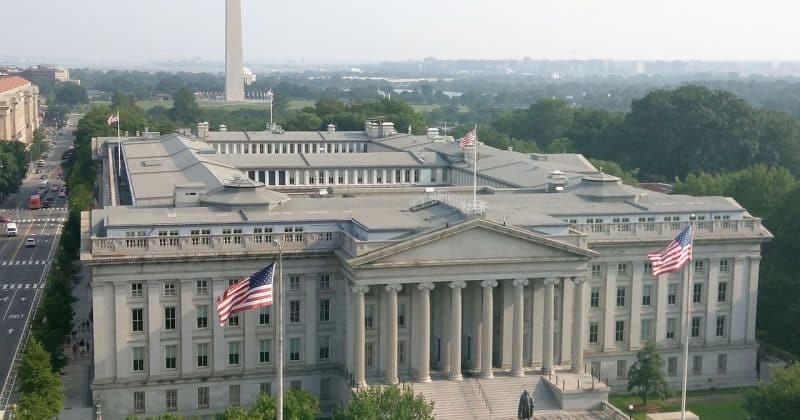
Powell has faced a Justice Department probe and an inspector general review connected to renovations of Federal Reserve buildings that reportedly cost over $2.5 billion.
Powell, for his part, has consistently defended the Fed’s independence. His decision to remain on the board could be interpreted as a statement in itself: that the central bank’s governors shouldn’t vacate their seats based on political convenience.
What this means for markets and crypto investors
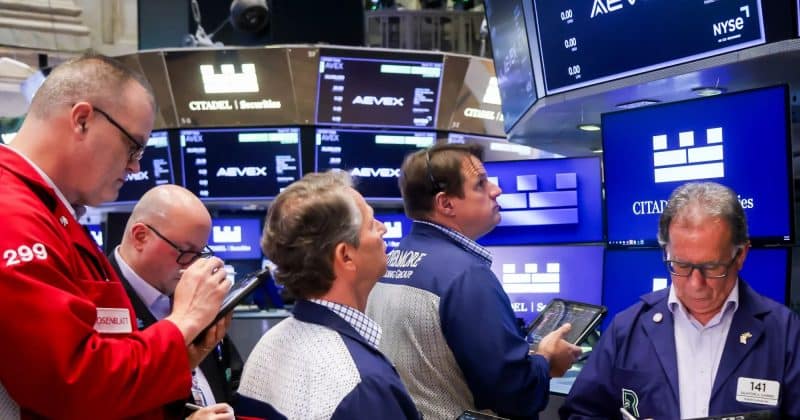
With Kevin Warsh confirmed as the incoming Chair, markets are already pricing in whatever policy shifts his leadership might bring. Each board member gets a vote on monetary policy at every Federal Open Market Committee meeting.
Powell occupying that seat means the administration gets one fewer opportunity to shape the board’s composition during this political cycle.
Disclosure: This article was edited by Editorial Team. For more information on how we create and review content, see our Editorial Policy.











 English (US) ·