
 1 hour ago
1
1 hour ago
1
The person running the US Department of Commerce has a pretty straightforward investment thesis: when Bitcoin goes down, he buys more. Howard Lutnick publicly declared that he plans to scoop up Bitcoin on every price decline, a statement that would be noteworthy from any billionaire but carries particular weight when it comes from a sitting Cabinet member.
“Every time Bitcoin dips, I’m gonna be the buyer,” Lutnick said in February 2025.
A Commerce Secretary with skin in the game
Lutnick holds hundreds of millions of dollars in Bitcoin, according to public disclosures. That makes him one of the most crypto-exposed government officials in US history.
Before joining the administration, he led Cantor Fitzgerald, a financial services firm that had been expanding its crypto-related operations. His appointment to the Commerce role was itself seen as a signal that the Trump administration intended to be aggressively pro-crypto at the policy level.
The Strategic Bitcoin Reserve changes the equation
On March 6, 2025, President Trump signed an executive order establishing a US Strategic Bitcoin Reserve. The order tasked both the Secretary of Commerce and the Treasury Secretary with developing budget-neutral strategies for acquiring additional Bitcoin for federal reserves.
The Strategic Bitcoin Reserve represents a fundamental shift in how the US government treats the asset. For years, Bitcoin seized in criminal cases was auctioned off. The new approach treats Bitcoin more like gold: something worth holding in national reserves rather than liquidating at the earliest opportunity.
There is no apparent conflict with statements from the Treasury Secretary regarding fiscal responsibility and limiting taxpayer-funded bailouts, suggesting a cohesive government approach towards the digital asset sector.
What this means for investors
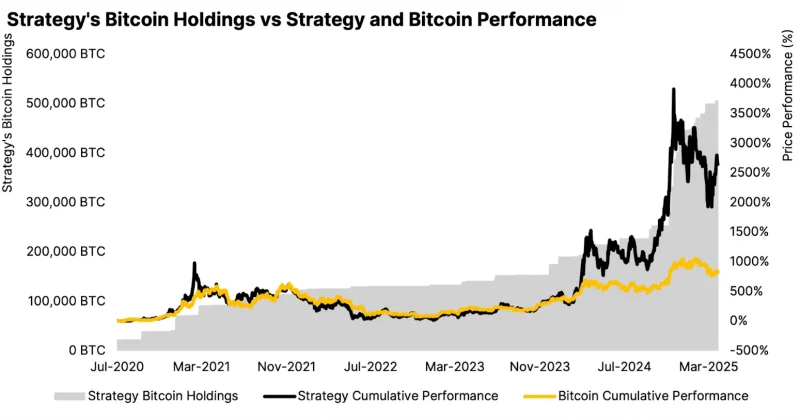
Bitcoin’s price action in 2025 and into 2026 has been anything but boring. Valuations soared above $126,000 in late 2025, with notable dips below $63,000 in June 2026 followed by recoveries.
Having a Commerce Secretary with hundreds of millions in personal Bitcoin holdings creates obvious questions about conflicts of interest. Every trade policy decision, every regulatory action, every public statement about the economy now carries the subtext that the person making it has a massive financial stake in a specific asset.
Disclosure: This article was edited by Editorial Team. For more information on how we create and review content, see our Editorial Policy.












 English (US) ·