
 1 hour ago
1
1 hour ago
1
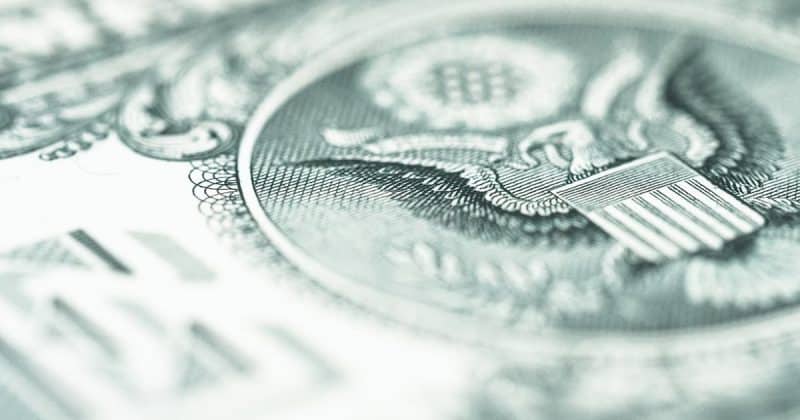
The United States has started flying pallets of physical US dollars back into Iraq after a suspension that lasted roughly nine days. The first post-pause shipment arrived by aircraft on May 1, 2026, confirmed by Iraqi Prime Minister’s economic advisor Mazhar Mohammed Salih.
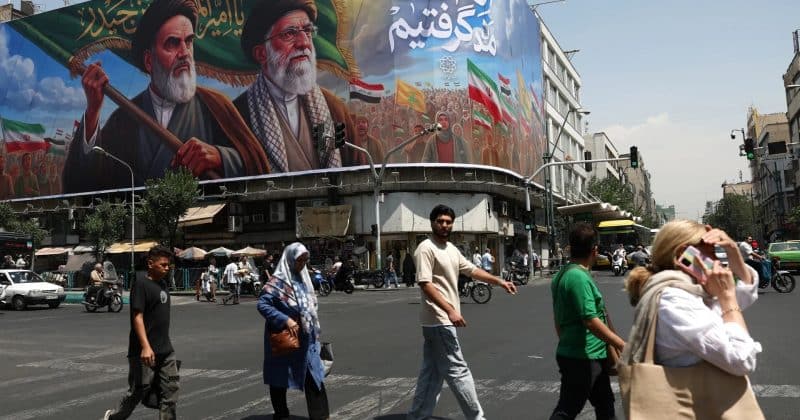
The cash freeze, which began on April 22, blocked an estimated $500 million in physical dollar deliveries. It was Washington’s way of turning the economic screws on Baghdad over the continued presence and influence of Iran-backed militias operating inside Iraq.
What actually got suspended, and what didn’t
Iraq’s dollar dependency operates on two tracks. There’s the electronic pipeline, which handles international trade and large-scale imports. That kept flowing the entire time. Then there’s the physical cash track, actual banknotes flown in on planes, which covers retail needs across the Iraqi economy. It was only the second track that got shut off.
The suspension was partly attributed to airspace closures connected to a late-February 2026 US-Israel conflict with Iran. But the geopolitical subtext was louder than the logistical excuse. The Trump administration has been escalating pressure on Iraq’s government to crack down on Iranian proxy forces, particularly after attacks targeting US personnel in the region.
Security cooperation still frozen
While the dollar taps have been turned back on, security cooperation programs between the two countries are still suspended.
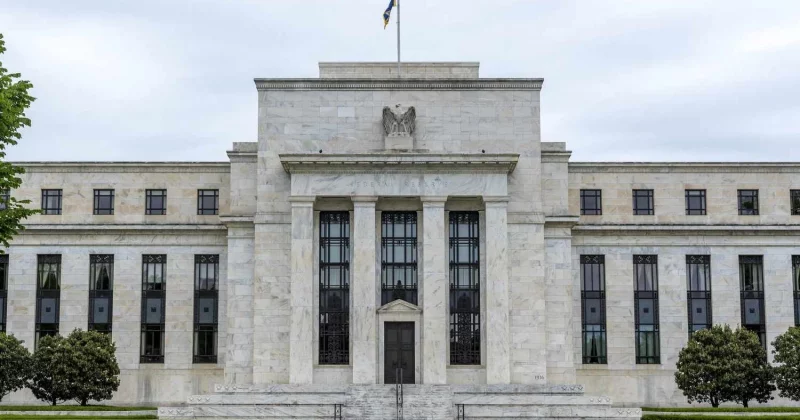
The resumed shipments followed what officials described as airspace stabilization and reduced regional hostilities. The roughly $450 million to $500 million that was held back during the suspension period represents a significant chunk of Iraq’s regular dollar inflows. These deliveries are not aid. They represent Iraq’s own dollar reserves, sourced from oil revenues held at the Federal Reserve Bank of New York, being physically transported back to the country.
This episode illustrates how the US dollar functions as both currency and coercion tool. Washington didn’t impose formal sanctions on Iraq. It didn’t freeze central bank assets. It simply stopped putting cash on planes.
Iraq’s cash shipments are also critical for meeting foreign exchange needs in areas such as travel, medical expenses, and education within its predominantly cash-based economy.
Disclosure: This article was edited by Editorial Team. For more information on how we create and review content, see our Editorial Policy.












 English (US) ·