
 1 month ago
33
1 month ago
33
The US housing market just posted its strongest pending sales numbers in nearly three years. Pending home sales climbed 9.6% year-over-year during the four weeks ending May 10, reaching levels not seen since September 2022, according to Redfin data.
That September 2022 benchmark matters. It was roughly the last moment before mortgage rates spiked past 7% and froze the market for the better part of two years.
What’s actually driving the rebound
A few things are converging at once. Mortgage rates have edged down modestly from their recent peaks, giving buyers just enough breathing room to pull the trigger. Mortgage-purchase applications are up roughly 4% week over week, and Google searches for “homes for sale” hit a nine-month high during the same period.
A modestly improving job market is also playing a role. When people feel reasonably secure about keeping their paychecks, they’re more willing to sign up for a 30-year financial commitment.
The geographic picture is broad. Pending sales are increasing in almost all major US metros, with cities like Chicago and San Francisco showing particularly strong gains. The exceptions are Houston, Detroit, and Seattle, which are sitting this rally out for now.
The supply problem hasn’t gone away
New listings actually fell by roughly 1.6% year-over-year during the same four-week window. Active listings inched up by a slim 1.2% year-over-year, but that marginal increase isn’t nearly enough to absorb a 9.6% jump in buyer activity.
The median US home-sale price rose 2.2% year-over-year to approximately $397,740. Bidding wars for well-priced homes are already intensifying in competitive metros.
Why this matters beyond the housing market
Pending home sales are a leading indicator, not a lagging one. They measure signed contracts, not closed deals, which means they reflect buyer intent roughly one to two months before transactions actually close. A 9.6% year-over-year jump signals that closed sales data for May and June should look considerably stronger than what we’ve seen in recent quarters.
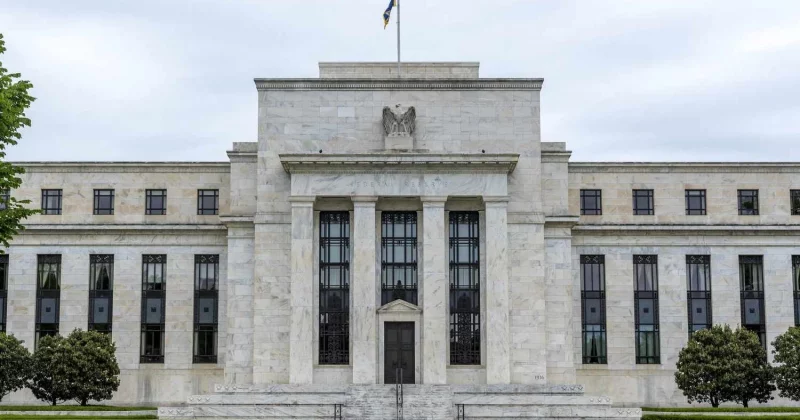
For the Federal Reserve, stronger housing data is a double-edged sword. Rising home prices feed into shelter inflation, which has been one of the stickiest components of the Consumer Price Index.
Disclosure: This article was edited by Editorial Team. For more information on how we create and review content, see our Editorial Policy.















 English (US) ·