
 1 month ago
30
1 month ago
30
President Trump called Iran’s latest peace counteroffer “TOTALLY UNACCEPTABLE” on social media, signaling that a fragile ceasefire between the two nations may be nearing its end. The Pentagon is now actively preparing plans to resume military operations against Iran if negotiations collapse entirely.
Trump described the ceasefire as being on “massive life support.” For crypto markets, the implications of a renewed US-Iran military confrontation extend well beyond geopolitics, touching energy prices, inflation expectations, and the safe-haven narrative that has increasingly attached itself to Bitcoin.
Diplomacy on the brink
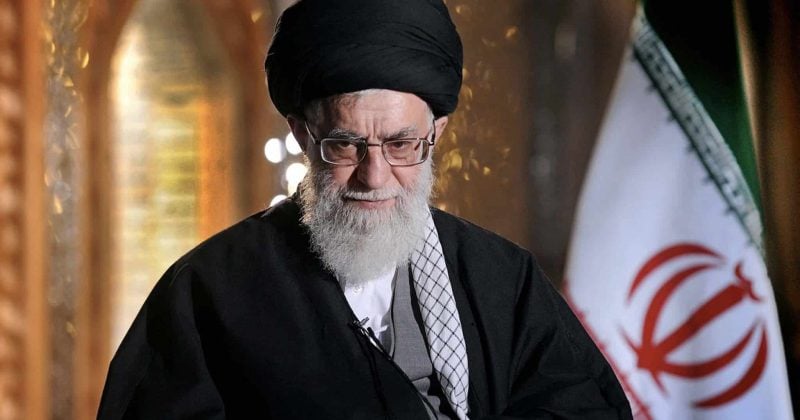
Iran’s latest proposal reportedly seeks a phased resolution to the conflict, prioritizing sovereignty and compensation as key conditions. That approach stands in direct contrast to US demands, which center on immediate concessions from Tehran and stricter controls over its nuclear activity.
Iranian President Masoud Pezeshkian has rejected those US demands outright.
US airstrikes executed in February reportedly hit a majority of their intended targets inside Iran. The fact that further strikes are now being considered suggests the military track never really went cold, even while diplomats were still talking.
The Strait of Hormuz problem
The most immediate economic consequence of escalation runs through the Strait of Hormuz, the narrow waterway between Iran and the Arabian Peninsula through which roughly a fifth of the world’s daily oil consumption passes under normal conditions.
Current tensions have effectively closed the strait, leaving thousands of seafarers in limbo and driving up energy prices. If that closure extends or worsens under renewed military operations, the knock-on effects hit everything from gasoline pumps to central bank inflation models.
Rising energy costs feed directly into consumer prices. That matters for crypto because inflation expectations are one of the primary macro drivers of Bitcoin’s appeal as a store of value.
Oil supply disruptions also complicate the Federal Reserve’s path on interest rates, potentially delaying rate cuts that crypto markets have been pricing in for months.
What this means for crypto investors
The Strait of Hormuz closure is worth watching closely. If shipping disruptions persist and energy prices continue climbing, higher oil prices tend to strengthen the dollar in the short term, as oil is priced in USD, which can create headwinds for crypto.
There is also the question of how escalation affects broader risk appetite. A full-scale military confrontation between the US and Iran would almost certainly trigger a flight to safety across traditional markets, with crypto’s correlation with tech stocks becoming a critical variable.
The Pentagon’s contingency planning suggests military decision-makers view a diplomatic breakdown as a realistic near-term scenario, not a distant hypothetical.
Disclosure: This article was edited by Editorial Team. For more information on how we create and review content, see our Editorial Policy.












 English (US) ·