
Google DeepMind’s SynthID watermarking system, originally built to tag AI-generated text, images, audio, and video, has found a surprising new frontier: biology. Researchers at the University of Maryland have adapted the technology to embed invisible watermarks directly into AI-designed protein sequences, creating a potential tracking mechanism for synthetic biology that doesn’t compromise the proteins themselves. How you watermark a protein The technique builds on SynthID-Text, which works by subtly adjusting the probability distribution of tokens (in this case, amino acids rather than words) during the generation process. The researchers used what’s called an unbiased Gumbel sampling approach, embedding a watermark derived from a private key into the amino acid probability distribution of protein design models like ProteinMPNN. ProteinMPNN, which arrived in 2022, is one of the more prominent AI models for designing novel protein sequences. It takes a desired three-dimensional protein structure and works backward to generate amino acid sequences that should fold into that shape. The watermarking layer sits on top of this process, nudging which specific amino acids get selected wit...
SynthID Bio proof of concept explores watermarking for AI-generated proteins
 6 days ago
4
6 days ago
4
Related

Nano Banana 2.1 briefly appears in Google Flow, but Google h...
31 minutes ago
0

Centrifuge flags transparency gap as only 29.2% of tokenized...
38 minutes ago
0

Workday faces growth threat as customers use Anthropic, Micr...
38 minutes ago
0
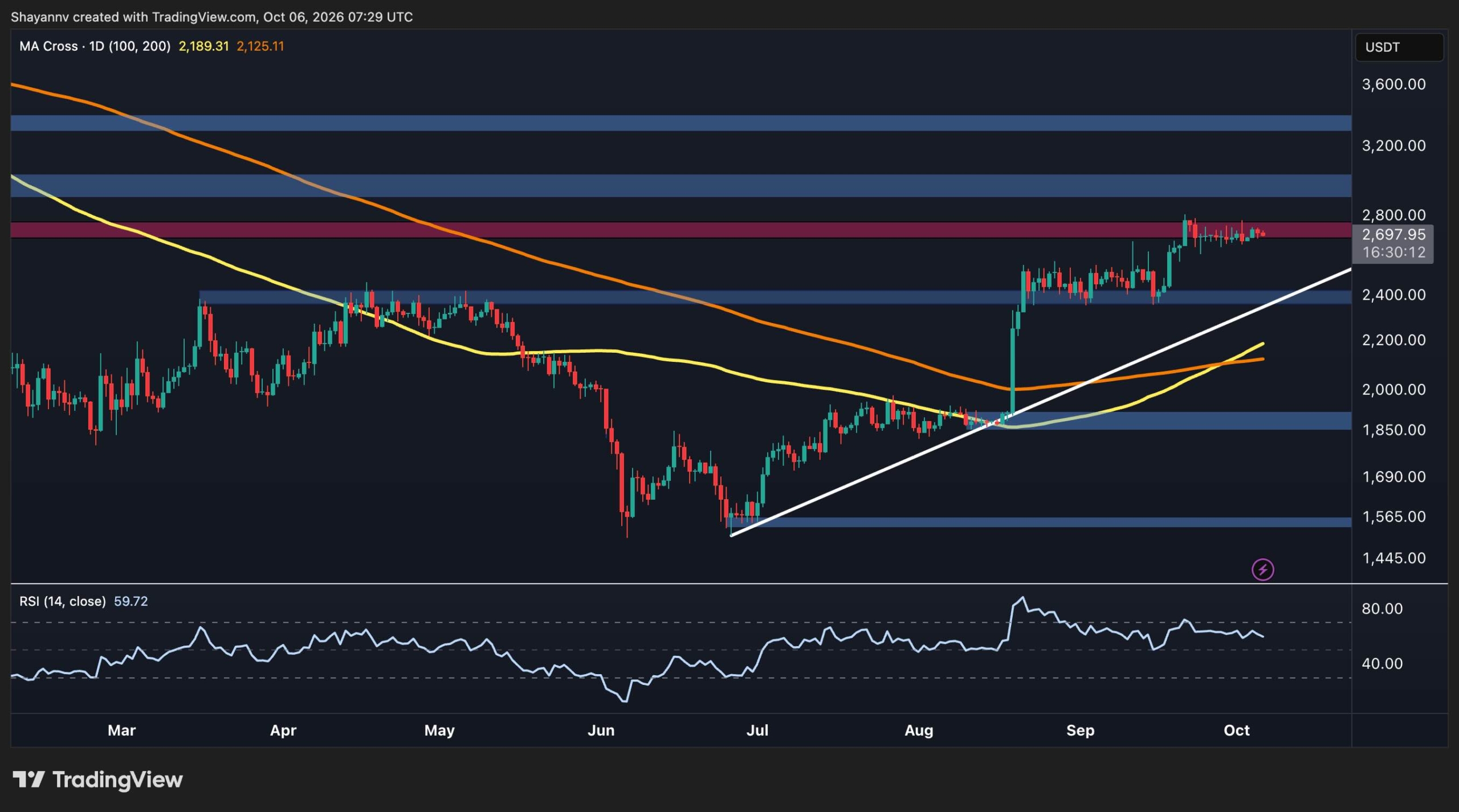
Ethereum Price Analysis: ETH Loses Steam at Key Resistance –...
41 minutes ago
0

Saudi coalition intercepts Houthi missile targeting Khamis M...
47 minutes ago
0

Ethereum price prediction: Glamsterdam live on Sepolia with ...
48 minutes ago
0

Grok 4.7 takes the top three spots on VulcanBench Frontier v...
49 minutes ago
0

Winklevoss files for spot Zcash ETF with US SEC
49 minutes ago
0
Popular

Starknet shields 45 assets with new privacy framework
4 weeks ago
100






Chainflip loses 736,442 USDT in TRON exploit
3 weeks ago
42
 English (US) ·
 © Clint's Cryto News 2026. All rights are reserved
