
 1 month ago
41
1 month ago
41
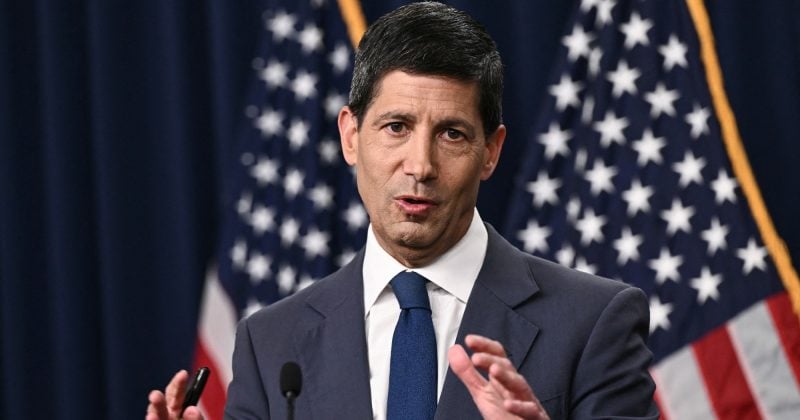
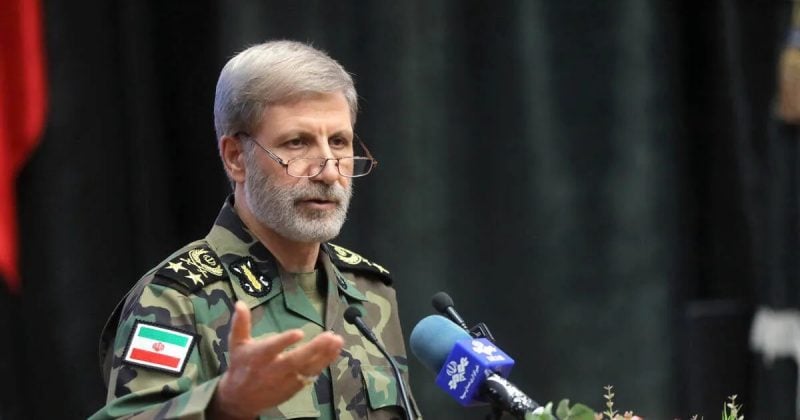
Vice President JD Vance has stepped into what might be the most consequential diplomatic role of his career, leading US negotiations on a provisional peace agreement with Iran signed virtually on June 15, 2026. The deal, reached alongside President Donald Trump and Iranian Parliament Speaker Mohammad Bagher Ghalibaf, halts active military hostilities that began in late February 2026 and opens a 60-day window for negotiations on some of the thorniest issues in Middle Eastern geopolitics.
What the deal actually covers
The memorandum of understanding establishes a temporary ceasefire and carves out 60 days for the two sides to negotiate on several fronts. Iran’s nuclear program is on the table. So is the role of Iranian proxy groups across the region. And critically, the agreement addresses safe passage through the Strait of Hormuz, the narrow waterway through which a massive share of the world’s oil shipments travel.
Vance, whom Trump named lead US negotiator after the conflict erupted, has framed the agreement as a “win-win” and emphasized that the US would not be making financial payments to Iran under the MOU.
The deal didn’t materialize overnight. Previous negotiation attempts, including talks held in Pakistan in April 2026, failed to produce a lasting ceasefire.
The diplomatic road is already getting bumpy
Follow-up talks were initially scheduled to take place in Switzerland. But around June 19, 2026, those Swiss talks were postponed due to renewed fighting between Israel and Hezbollah. No new date has been set.
How crypto markets have reacted
When the April talks in Pakistan fell apart without a ceasefire, Bitcoin and Ether both dropped by roughly 1.5–2%.
The June 15 signing of the provisional agreement, followed almost immediately by the postponement of Swiss talks, created a whipsaw dynamic. Optimism around the ceasefire gave way to uncertainty about whether it would hold, and prices reflected that push and pull.
What investors should be watching
The 60-day negotiation window means there’s a hard deadline approaching, and whether or not the Swiss talks get rescheduled will be the first major signal of whether this deal has legs.
Traders should be watching three specific triggers. First, any announcement of a new date for the Switzerland negotiations. Second, developments in the Israel-Hezbollah conflict, which is now the primary obstacle to progress. Third, any statements from Vance or Iranian officials that suggest the ceasefire is fraying.
Disclosure: This article was edited by Editorial Team. For more information on how we create and review content, see our Editorial Policy.









 English (US) ·