
 1 month ago
26
1 month ago
26
Iran has officially responded to the US ceasefire proposal, transmitting its reply through Pakistani mediators on May 10, 2026. The response comes just one day after US strikes targeted Iranian oil tankers, escalating an already volatile standoff in and around the Strait of Hormuz.
Tehran isn’t buying what Washington is selling. The Iranian Foreign Ministry labeled the existing ceasefire as “nominal.” Iranian officials have simultaneously warned of “strong and decisive” responses to any further US attacks on Iranian vessels.
The 14-point plan and what Iran actually wants
The US proposal at the center of this exchange is a 14-point memorandum. It covers nuclear suspension, sanctions relief, and transit rights through the Strait of Hormuz, the narrow waterway through which roughly a fifth of global oil passes daily.
The timing of the US strikes on Iranian tankers, just one day before Iran’s formal response, gave Tehran rhetorical ammunition to frame the ceasefire as hollow.
How long can Iran hold out?
US intelligence estimates that Iran can withstand the current blockade’s economic impacts for an additional 3-4 months.
Pakistan’s role as intermediary is worth noting. Direct US-Iran communication channels have been functionally dead for years, and Islamabad has emerged as the preferred backchannel. Pakistan shares a border with Iran, maintains diplomatic ties with both sides, and has its own interest in preventing a wider regional conflict that could spill across its western frontier.
President Trump has indicated that the US response to Iran’s reply is expected imminently.
What this means for markets and global stability
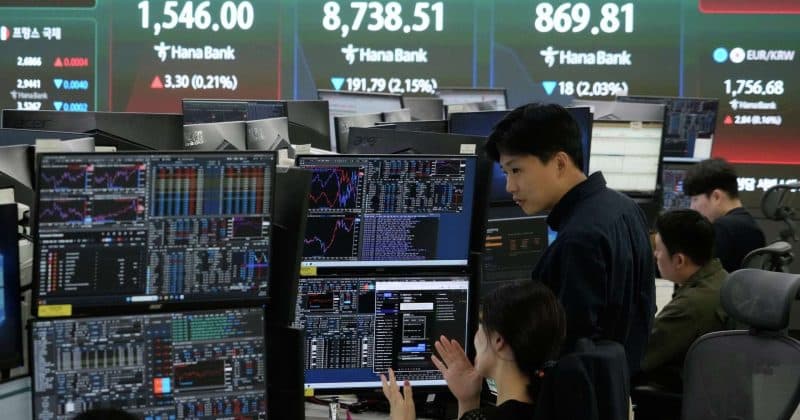
The Strait of Hormuz is one of the most important chokepoints in global energy markets. Any sustained disruption to transit through the strait sends shockwaves through oil prices, shipping insurance rates, and downstream energy costs for consumers worldwide.
The 14-point memorandum’s inclusion of sanctions relief language is the detail to watch most closely. Sanctions are the primary mechanism through which the US exerts economic pressure on Iran, and any movement on that front would have cascading effects on oil supply expectations and dollar-denominated trade flows.
Iran’s warning about “strong and decisive” retaliation isn’t just rhetoric for domestic consumption. If Tehran follows through on threats against US vessels or regional bases, insurance premiums for Strait of Hormuz transit could spike dramatically and energy supply disruptions become a near-term reality.
Disclosure: This article was edited by Editorial Team. For more information on how we create and review content, see our Editorial Policy.













 English (US) ·