
 1 hour ago
1
1 hour ago
1
Germany’s closely watched investor confidence gauge just did something nobody on Wall Street or Frankfurt’s trading floors predicted: it went up.
The ZEW Indicator of Economic Sentiment climbed to -10.2 in May from -17.2 in April, defying consensus forecasts of -19. That’s still negative territory, meaning pessimists outnumber optimists. But the direction matters more than the absolute number right now, and the direction is unmistakably better.
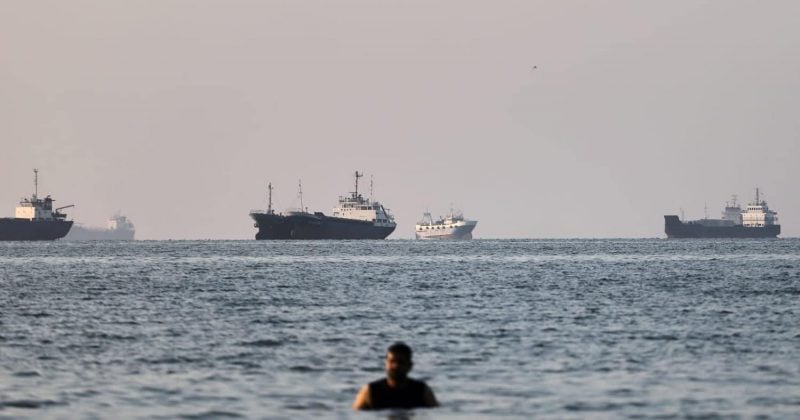
The catalyst is straightforward. Investors are betting that the Iran war, which began around February 28, could reach a resolution sooner than the market had priced in. For an economy that runs on cheap energy and exports, that bet carries enormous weight.
Energy costs are the real story
Brent crude prices have jumped roughly 30% since the conflict began, climbing to a projected average of $83 per barrel from around $64 before hostilities broke out. European TTF natural gas prices have hit approximately $44 per megawatt-hour. Germany’s industrial energy costs are expected to rise 20-30% on an annual basis.
Investor sentiment cratered to a three-year low as the energy shock from the Iran conflict rippled through supply chains, factory floors, and boardroom projections. The April reading of -17.2 reflected genuine fear that Europe’s largest economy was heading into another prolonged downturn.
The rebound accelerated into June
By mid-June, the ZEW index had climbed further to +10.5, crossing into positive territory for the first time since the war began. That’s a swing of nearly 28 points from April’s trough.
German industrial output also reported its first gains since the onset of the conflict. Business morale indicators have started pointing upward as well.
What this means for crypto markets
Bitcoin rallies stalled amid broader market anxiety following the Iran conflict’s escalation. Meanwhile, stablecoin usage increased significantly during the volatility, with traders shifting into dollar-pegged tokens as a capital preservation strategy. Blockchain-based commodity trading has also seen increased activity.
The key variables to monitor are whether peace negotiations produce tangible results, whether energy prices actually retreat from their elevated levels, and whether Germany’s industrial recovery sustains momentum through the summer. The stablecoin rotation is the most telling signal: capital parked in USDT and USDC is waiting to redeploy when macro conditions give a clearer green light.
Disclosure: This article was edited by Editorial Team. For more information on how we create and review content, see our Editorial Policy.



 English (US) ·