
 1 hour ago
1
1 hour ago
1
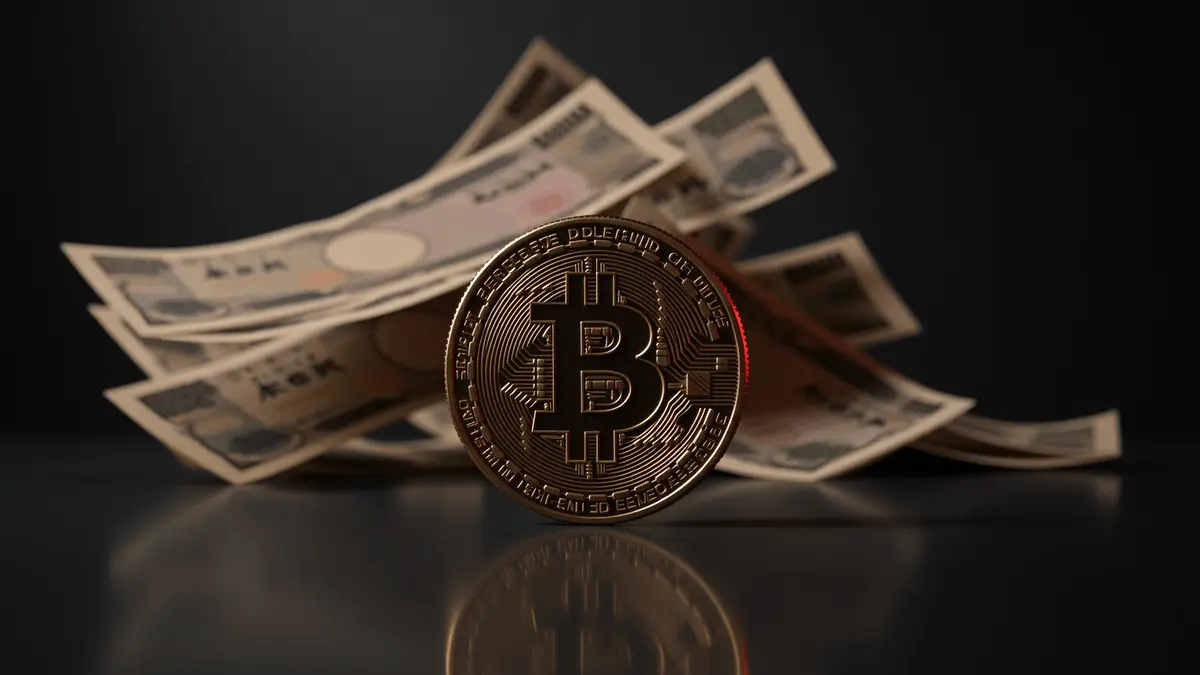
The Bank of Japan raised its key short-term policy rate by 25 basis points to 1% on June 16, 2026, pushing borrowing costs to their highest level since September 1995.
Despite the BOJ finally wielding the kind of hawkish policy tool that would normally strengthen a currency, the yen continued to slump against the US dollar.
What happened in the room
The BOJ’s policy board approved the increase in a 7-1 vote, with one dissenter flagging concerns about downside economic risks. Governor Kazuo Ueda was notably absent from the meeting due to medical reasons.
The rate hike, moving from 0.75% to 1%, represents the BOJ’s first increase since December 2025. The catalyst this time was persistent inflation, driven primarily by elevated energy costs. Regional tensions in the Middle East have kept oil prices uncomfortably high, feeding through to consumer prices.
Why the yen isn’t cooperating
The stubborn weakness in the yen tells a story about interest rate differentials. Even at 1%, Japan’s policy rate remains significantly below those of the US and other major economies.
The gap between Japanese and American yields continues to incentivize the carry trade, where investors borrow cheaply in yen and park that money in higher-yielding assets elsewhere.
Bitcoin’s counterintuitive response
Bitcoin rose immediately following the BOJ’s announcement. Historically, BOJ tightening has spooked risk assets, including crypto. The rate hikes in 2024 and December 2025 both correlated with sell-offs in digital assets as yen carry trade unwinds rippled through global markets.
What this means for investors
Analysts are now watching closely for additional rate increases later in 2026. If the BOJ continues hiking in 25 basis point increments, reaching 1.25% or 1.5% by year-end, the calculus for yen-funded positions shifts meaningfully. When a carry trade unwind happened briefly in mid-2024, global markets, including crypto, experienced sharp volatility.
The absence of Governor Ueda from this meeting also introduces uncertainty. His return and any subsequent public commentary could shift market expectations about the BOJ’s forward path.
Disclosure: This article was edited by Editorial Team. For more information on how we create and review content, see our Editorial Policy.












 English (US) ·