
 1 hour ago
2
1 hour ago
2
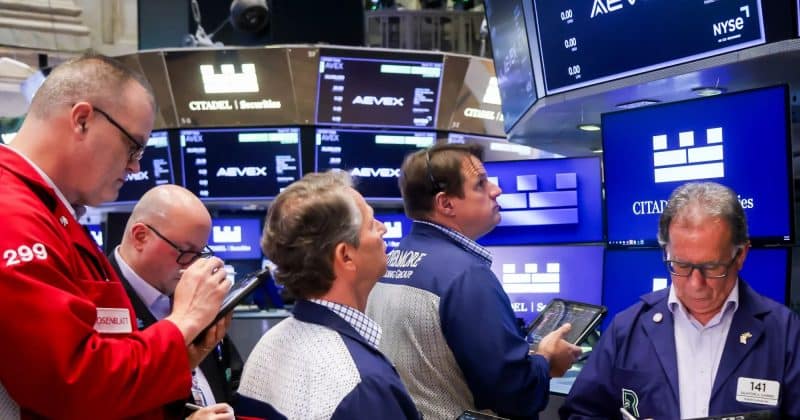
Genneia, Argentina’s leading renewable energy company, has filed an F-1 registration statement for a US initial public offering, marking the first time an Argentine firm has pursued a US listing since 2019. The company plans to list American Depositary Shares on the New York Stock Exchange under the ticker GENN.
The filing, which landed around July 1, 2026, represents a concrete bet that the Milei administration’s pro-market reforms have changed the calculus enough to make Argentine equity palatable to American capital markets again.
What Genneia actually does
Genneia operates roughly 1.8 GW of installed power capacity, with a heavy lean toward wind and solar generation. The company has set a target to surpass 2 GW by the end of 2026, an expansion that would represent more than a 10% jump in capacity in a relatively compressed timeline.
The company specializes in supplying renewable energy to Argentina’s mining sector, offering decarbonization solutions tailored specifically to resource-heavy industries facing growing ESG requirements.
In late 2025, Genneia issued a $400 million global green bond carrying a 7.75% coupon, maturing in 2033. Preparations for the IPO reportedly began around November 2025, meaning the company spent approximately eight months building toward this filing. The Class B shares will continue trading on the Buenos Aires Stock Exchange, known as BYMA, giving the company a dual-listing structure that spans both Argentine and US markets.
Argentina’s capital markets reawakening
The last Argentine company to file for a US IPO did so in 2019, right before the country plunged into another economic downturn that would persist for years. President Javier Milei’s administration has pursued aggressive economic liberalization since taking office, including efforts to dismantle capital controls, reduce the fiscal deficit, and court foreign investment.
What this means for investors
The $400 million green bond issuance suggests the debt market has already priced in a degree of confidence, but equity investors tend to demand a higher bar, buying ownership in a company whose value depends on Argentina’s regulatory environment, currency stability, and political trajectory staying on course.
The 7.75% coupon on that green bond reflects a meaningful risk premium compared to what investment-grade renewable energy companies would pay in the US or Europe. Investors considering the equity offering should read that spread as the market’s honest assessment of the additional risk embedded in Argentine assets.
If Genneia prices at a valuation comparable to Latin American renewable energy peers in Brazil or Chile, it would represent a genuine shift in how the market perceives Argentine risk. If it prices at a steep discount, the listing becomes more of a capital-access play than a signal of restored confidence.
Disclosure: This article was edited by Editorial Team. For more information on how we create and review content, see our Editorial Policy.














 English (US) ·