
 1 hour ago
1
1 hour ago
1
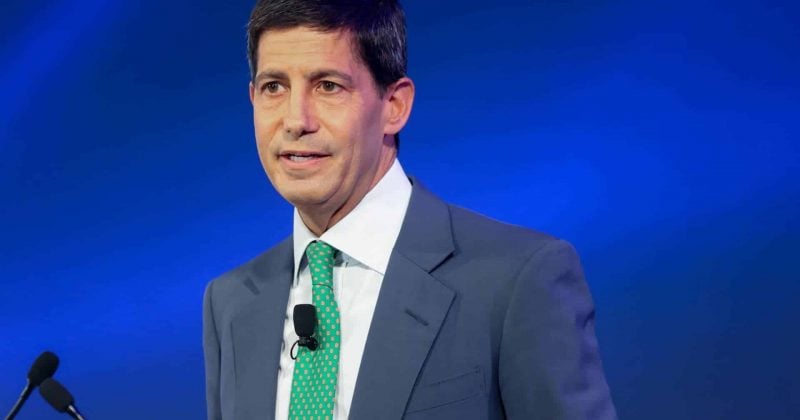
The Federal Reserve has a new boss, and Wall Street is already bracing for turbulence. Morgan Stanley analysts are warning that Kevin Warsh’s first policy meeting as Fed Chair, scheduled for June 16-17, could send shockwaves through foreign exchange markets and upend the carry trades that have been a reliable profit engine for currency traders.
A new sheriff with a different playbook
Warsh, who was confirmed by the Senate in a razor-thin 54-45 vote on May 13, was sworn in on May 22. That confirmation margin is one of the closest for a Fed Chair in modern history.
Warsh served as a Fed Governor from 2006 to 2011, meaning he was in the room during the 2008 financial crisis. Before that, he worked at Morgan Stanley from 1995 to 2002, which adds a layer of irony to his former employer now sounding the alarm about his potential market impact.
Warsh has been vocal about wanting to scale back forward guidance, the practice where the Fed essentially telegraphs its next moves to give markets time to adjust. He also wants to reduce the frequency and detail of press conferences.
Why FX markets are in the crosshairs
Morgan Stanley’s warning centers on a specific mechanism. Foreign exchange markets are extraordinarily sensitive to interest rate expectations. Carry trades, where investors borrow in a low-yielding currency and invest in a higher-yielding one, depend on predictable rate differentials between countries. When those expectations get scrambled, carry trades unwind.
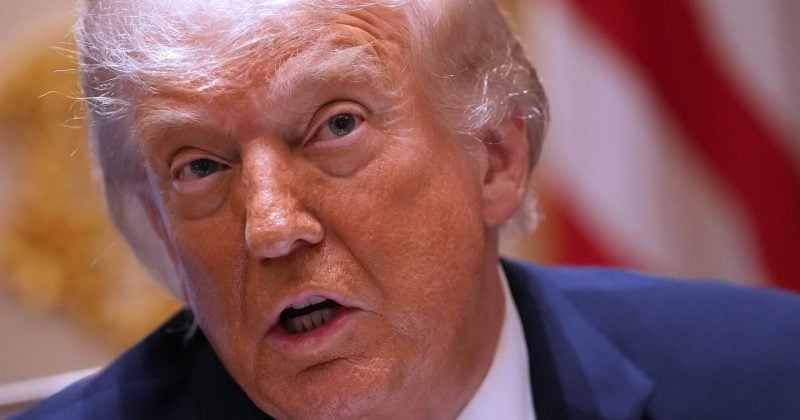
Persistent inflation has kept rate expectations elevated, while political pressure from the White House has pushed in the opposite direction, advocating for cuts. Warsh steps into this tension as a new variable that traders haven’t had time to model.
Warsh also advocates for alternative methods of measuring inflation, including the trimmed mean approach rather than relying solely on traditional metrics. If the Fed starts using different inflation gauges, the thresholds that markets have internalized for rate decisions effectively reset.
What this means for investors
The immediate risk is concentrated in the June 16-17 FOMC meeting. The gap between what traders expect and what they actually get could be wide.
Investors should watch the June meeting not just for policy decisions, but for structural changes to how those decisions are communicated. The statement’s length, the presence or absence of specific language about future rate paths, and whether Warsh holds a press conference at all will collectively signal how different this Fed actually plans to be.
Disclosure: This article was edited by Editorial Team. For more information on how we create and review content, see our Editorial Policy.






 English (US) ·