
 1 hour ago
3
1 hour ago
3
Andrew Bailey wants to make one thing very clear: a ceasefire is not a green light for cheaper borrowing.
The Bank of England governor stated that a 60-day ceasefire in the US-Israeli war with Iran would still leave too much uncertainty hanging over the UK economy to justify immediate interest rate cuts. The remarks, made in late May 2026, land at a moment when markets are desperately searching for any signal that relief is coming.
The rate that didn’t move
The BoE held its main policy rate at 3.75% during its most recent decision, a hold that reflects just how tangled the current macro picture has become. Energy prices remain volatile, largely because of ongoing disruptions in the Strait of Hormuz, the narrow waterway through which a massive share of global oil supply flows.
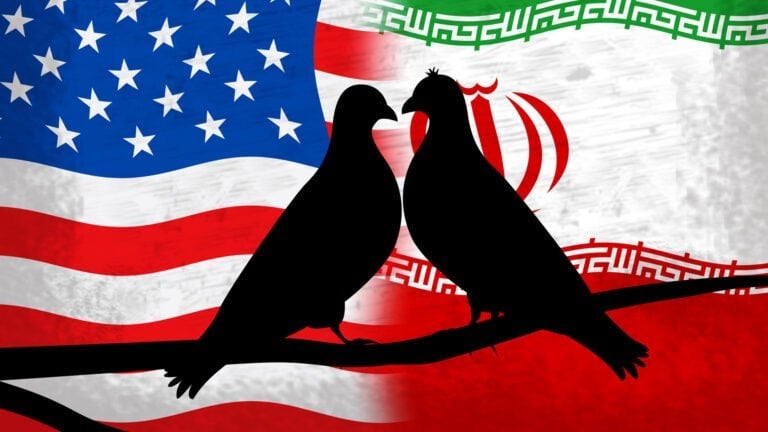
A tentative deal between US and Iranian negotiators to extend a 60-day ceasefire was reported around May 28-29, 2026. The agreement still needs higher-level approvals, meaning it could easily fall apart before the ceasefire is secured.
Bailey’s point is that a temporary pause in hostilities doesn’t resolve the underlying risk. Even if the shooting stops for two months, nobody knows what happens on day 61. If the ceasefire holds and eventually leads to a broader de-escalation, energy prices could stabilize and give the BoE room to ease. If it collapses, oil prices spike again and inflation gets worse.
From rate cuts to rate hikes: a market mood swing
Earlier in 2026, analysts were pricing in two potential interest rate cuts from the Bank of England over the course of the year. That optimism has evaporated.
Some forecasters now predict the BoE could actually hike rates by 0.25 percentage points, pushing the benchmark to 4% by year-end. That’s a complete reversal from the earlier expectation of two cuts.
The BoE had been on a gradual easing path before the conflict escalated. Rates were being trimmed carefully as inflation appeared to be cooling. The war essentially hit the reset button on that entire trajectory, and Bailey’s latest comments confirm the central bank isn’t ready to resume easing anytime soon.
What this means for the broader market
Mainstream financial analysis of Bailey’s remarks contains no direct references to digital assets or crypto tokens, suggesting the traditional finance world is treating this as a pure macro and energy story.
For investors watching the BoE specifically, the key variable is the Strait of Hormuz. If the tentative ceasefire gets higher-level approval and oil flows normalize, Bailey’s calculus changes. Energy-driven inflation recedes, and the path back to rate cuts reopens. If the deal stalls, the scenario where rates climb to 4% becomes increasingly plausible.
The shift from expecting two cuts to pricing in a hike represents one of the sharpest sentiment reversals in recent UK monetary policy. Bailey, by explicitly warning that even a ceasefire wouldn’t trigger immediate cuts, is making sure nobody mistakes a diplomatic pause for an all-clear signal.
Disclosure: This article was edited by Editorial Team. For more information on how we create and review content, see our Editorial Policy.










 English (US) ·