
 38 minutes ago
1
38 minutes ago
1
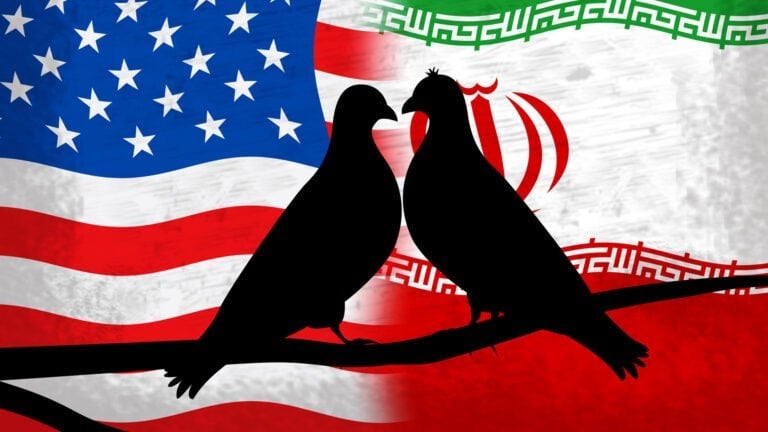
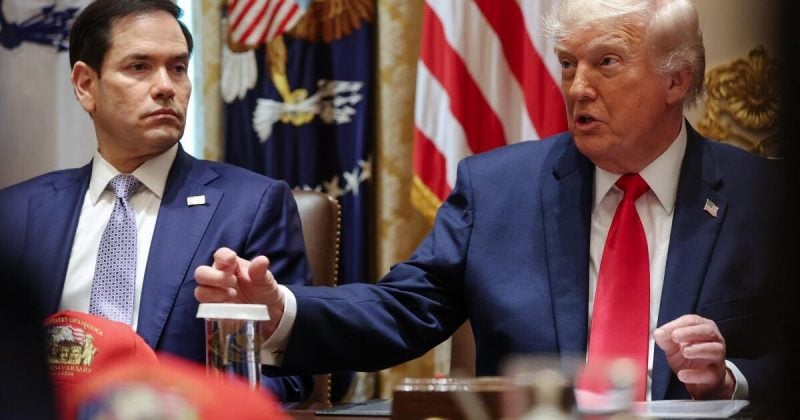
President Trump announced on May 29 that he would finalize his decision on a proposed Iran ceasefire deal from the White House Situation Room. The stakes are about as high as they get: reopening the Strait of Hormuz, the narrow waterway through which a massive share of the world’s oil supply flows, and dismantling Iran’s nuclear capabilities.
The proposed agreement centers on a 60-day extension to a ceasefire that was first initiated in early April 2026. If it holds, global energy markets could finally get a breather after months of disruption.
What’s on the table
The core of the deal is straightforward in principle. The Strait of Hormuz would be reopened without tolls, allowing unrestricted shipping in both directions. In exchange, the US demands that Iran effectively surrender its nuclear weapons ambitions, including the handling of its highly enriched uranium stockpile.
Tehran has pushed back on multiple fronts. Iran insists that management of the strait must involve its own representatives along with Oman, rather than ceding control entirely. Iranian officials have described certain US proposals as a “fabricated victory” and a “wish list.”
Negotiators have produced a draft memorandum outlining several principles, but the critical details, specifically around uranium handling and strait governance, remain unresolved. Trump has reiterated that any agreement must ensure Iran does not attain nuclear weapons capabilities, threatening continued military pressure if the terms fall short.
Why the Strait of Hormuz matters to your portfolio
The strait was effectively shut down in late February or early March 2026, triggering a conflict escalation that has rattled energy markets for months. Global oil and gas prices surged in the aftermath, sending shockwaves through commodities markets, energy stocks, and downstream industries that depend on stable fuel costs.
The closure didn’t just affect crude prices. It cascaded into shipping insurance premiums, refinery margins, and petrochemical supply chains.
The crypto and macro angle
If Trump secures a deal and the strait reopens, the immediate effect would likely be a reduction in the geopolitical risk premium embedded in oil prices. That could calm inflation fears, reduce pressure on the Federal Reserve to maintain restrictive monetary policy, and create a more favorable environment for risk assets broadly.
The 60-day ceasefire extension, if agreed upon, would create a defined window of relative stability. What makes this situation particularly tricky for traders is the binary nature of the outcome. Either a deal materializes and markets breathe easier, or it doesn’t and the conflict potentially escalates further, meaning positioning ahead of Trump’s decision carries meaningful directional risk in either direction.
Disclosure: This article was edited by Editorial Team. For more information on how we create and review content, see our Editorial Policy.










 English (US) ·