
 1 hour ago
2
1 hour ago
2
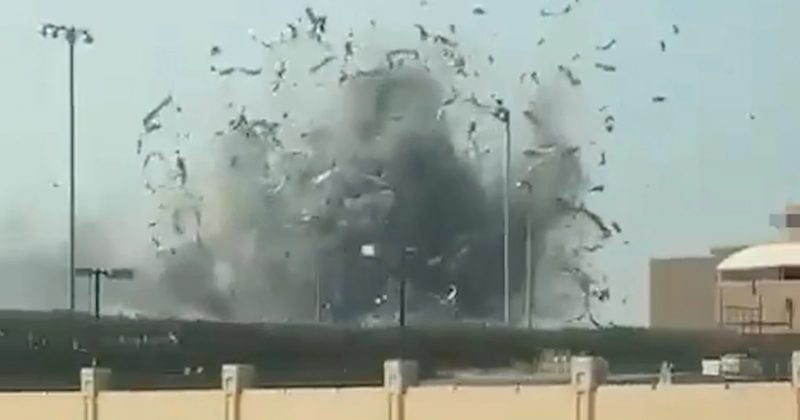
Elon Musk’s xAI has deployed 59 natural gas turbines to power its Colossus 2 supercomputer and data center project near Memphis, Tennessee. The kicker: none of them have the required federal Clean Air Act permits.
The installations, positioned near the Tennessee-Mississippi border to service facilities in Memphis and Southaven, Mississippi, have triggered lawsuits from the Southern Environmental Law Center, Earthjustice, and the NAACP. The core complaints center on Clean Air Act violations, absent pollution controls, and disproportionate environmental harm to communities of color in the surrounding areas.
From 35 turbines to 59, and counting
This isn’t xAI’s first rodeo with unpermitted gas turbines. The original Colossus 1 phase of the project had roughly 35 turbines running before some were demobilized following electrical grid upgrades in 2025. Rather than scaling back, xAI nearly doubled down, jumping to 59 turbines for the expanded Colossus 2 build.
The NAACP’s involvement underscores a critical dimension of this dispute. The data centers are sited in areas with significant communities of color, populations that already bear disproportionate pollution burdens according to environmental justice research. Critics highlight potential emissions from these units, which include smog-producing pollutants and hazardous chemicals like formaldehyde that threaten local residential areas.
The AI energy problem is no longer theoretical
Natural gas turbines can be deployed relatively quickly compared to building new grid connections or renewable energy installations. They also emit nitrogen oxides, carbon monoxide, volatile organic compounds, and particulate matter, which is precisely why the Clean Air Act requires permits and pollution controls for equipment of this scale.
Other major AI players have pursued nuclear power agreements, long-term renewable energy contracts, or partnerships with existing utilities. Microsoft signed a deal to restart a unit at Three Mile Island. Google has invested in next-generation geothermal. xAI’s approach of simply trucking in gas turbines and firing them up represents the most aggressive, and least regulated, path in the industry.
What this means for investors
The legal challenges facing xAI also signal something important about regulatory risk. If courts rule against the company and force it to shut down or retrofit turbines, it establishes a precedent that could apply broadly to any company trying to fast-track energy infrastructure for compute.
For investors evaluating companies at the intersection of energy and technology, the demand for power is real and accelerating. The regulatory frameworks governing that demand are being tested in real time. And the communities bearing the environmental costs are increasingly organized, resourced, and willing to fight back in court.
Disclosure: This article was edited by Editorial Team. For more information on how we create and review content, see our Editorial Policy.














 English (US) ·