
 1 month ago
34
1 month ago
34
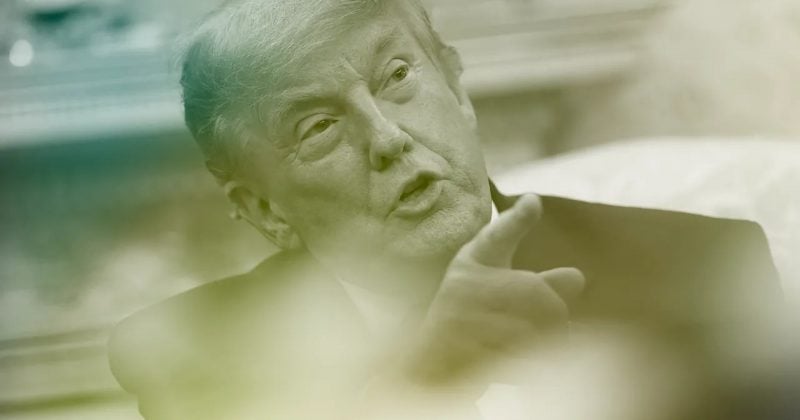
The White House has formally provided Congress with a copy of the interim agreement between the United States and Iran, a 14-point memorandum of understanding signed by President Donald Trump and Iranian President Masoud Pezeshkian on June 17, 2026. The deal, which covers everything from a ceasefire extension to the reopening of the Strait of Hormuz, has already triggered significant moves across global markets.
Bitcoin responded by climbing above $82,000, hitting a three-month high. Oil prices, meanwhile, dropped roughly 5% on expectations that lifted sanctions would bring more Iranian crude onto the market.
What’s actually in the deal
The agreement spans 14 key points, but the big ones boil down to three pillars: military de-escalation, energy market normalization, and a framework for nuclear talks.
On the military side, the deal extends a ceasefire between the two nations, which had seen tensions escalate into direct conflict earlier in 2026. The Strait of Hormuz, a chokepoint through which roughly a fifth of the world’s oil supply passes, is being reopened under the terms of the agreement.
On sanctions, the US is lifting some restrictions on Iranian oil exports. More Iranian barrels entering a global market that was already pricing in supply constraints means downward pressure on oil.
Iran has agreed to dilute its highly enriched uranium stockpile as part of the interim framework. Both sides have committed to a 60-day negotiation window aimed at reaching a comprehensive final deal on Iran’s nuclear program.
Why crypto cares about a Middle East deal
The $82,000 price level represents a recovery from what had been a choppy period for the asset. Three months of sideways-to-down price action reversed in a matter of hours as the deal’s terms became public.
The US had previously seized approximately $1 billion in Iranian-linked crypto assets as part of its sanctions enforcement regime. How those assets factor into ongoing negotiations, if at all, adds another layer of complexity to the intersection of digital assets and international diplomacy.
What this means for investors
Lower oil prices reduce input costs across the economy, which is disinflationary, which is generally good for risk assets including crypto. Bitcoin’s surge to a three-month high reflects that logic playing out in real time.
The 60-day negotiation period creates a binary outcome window. If talks progress toward a comprehensive nuclear deal, the current rally could find legs. If negotiations stall or collapse, the geopolitical risk premium comes roaring back.
Iran has long been a complicated presence in the crypto ecosystem, with mining operations and trading activity that operated in a regulatory gray zone created by sanctions. Any normalization of Iran’s economic relationships could increase liquidity and trading volumes on exchanges that serve the region.
A 5% drop in oil prices could be just the beginning if sanctions relief leads to a meaningful increase in Iranian production. Lower energy costs affect mining economics directly, since cheaper electricity means better margins for Bitcoin miners.
Investors should watch whether the crypto assets previously seized by the US become a bargaining chip in nuclear framework talks. A billion dollars in digital assets is not a trivial sum, and its disposition could set precedents for how crypto intersects with international sanctions enforcement going forward.
Disclosure: This article was edited by Editorial Team. For more information on how we create and review content, see our Editorial Policy.















 English (US) ·