
 1 hour ago
2
1 hour ago
2
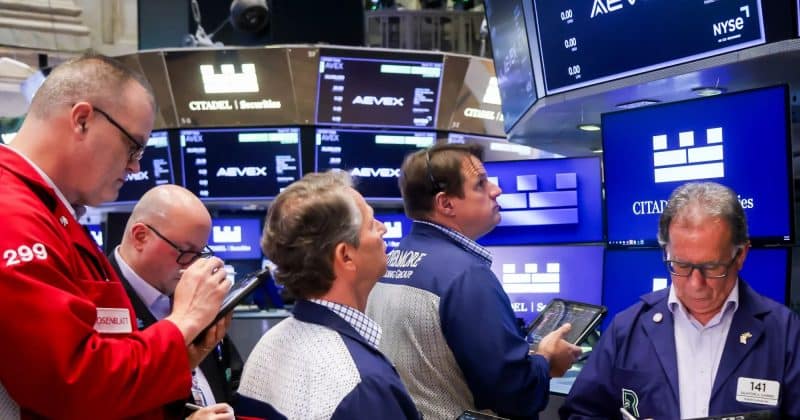
US stock markets surged on June 29, 2026, as investors collectively exhaled over cooling hostilities between the United States and Iran. The Nasdaq 100 futures climbed over 1%, and the Dow Jones Industrial Average notched yet another record closing high.
Crypto, meanwhile, mostly shrugged. Bitcoin hovered around $59,700, apparently unconvinced that the geopolitical calm would stick around long enough to matter.
The relief rally in numbers
The catalyst was straightforward. Reduced tensions between Washington and Tehran translated directly into optimism about the Strait of Hormuz, one of the world’s most critical chokepoints for oil trading. Oil prices dropped more than 4% on improved hopes for stability in the region.
Tech stocks led the charge, with the Nasdaq emerging as the session’s clear winner. The Dow’s record close marked one of several sessions where the blue-chip index has pushed into new territory.
Crypto’s conspicuous indifference
Bitcoin has been range-bound throughout June, fluctuating between roughly $59,700 and $66,000 without building meaningful upward momentum. The easing of US-Iran tensions didn’t change that calculus.
Other major crypto assets told a similar story. Ether, Solana, XRP, and Dogecoin all exhibited muted activity, with traders apparently content to sit on their hands rather than chase the risk-on sentiment that was driving equities higher.
What this divergence means for investors
The oil price decline of more than 4% also deserves attention from crypto investors for a less obvious reason. Cheaper energy directly reduces Bitcoin mining costs, which in theory should improve miner profitability and reduce selling pressure from miners who need to liquidate Bitcoin to cover operational expenses. That this dynamic didn’t produce a visible price response suggests other forces, possibly profit-taking from the upper end of Bitcoin’s June range, were counteracting the tailwind.
Disclosure: This article was edited by Editorial Team. For more information on how we create and review content, see our Editorial Policy.









 English (US) ·