
 1 hour ago
4
1 hour ago
4
A little-known American company just planted a flag in one of the most strategically important mining regions on Earth. Virtus Minerals has acquired two major cobalt and copper mines in the Democratic Republic of the Congo, backed by US government support and over $700 million in total investment commitments.
The deal is being framed as the first significant US minerals acquisition in the DRC since the Washington Accord was established in December 2025. And the target it’s aimed at is hard to miss: Chinese firms currently control roughly 72% of Congolese cobalt and copper output.
What Virtus actually bought
Virtus Minerals purchased the copper-cobalt operations of DRC-based Chemaf SA, specifically the Etoile and Mutoshi mines. The upfront price tag was $30 million, plus the assumption of substantial existing debts.
The total investment commitment exceeds $700 million, with roughly $475 million in debt financing from Orion Resource Partners. The US International Development Finance Corporation (DFC) is also involved in backing the deal.
Once scaled up, the combined operations target annual production of 75,000 tonnes of copper cathodes and 25,000 tonnes of cobalt hydroxide. The Mutoshi mine alone could supply up to 5% of global cobalt production.
The deal carries explicit US State Department backing.
Why cobalt and copper matter to crypto
This deal doesn’t involve any crypto assets or blockchain technology. It’s old-school mineral extraction with old-school financing. But the downstream effects ripple into the digital asset world.
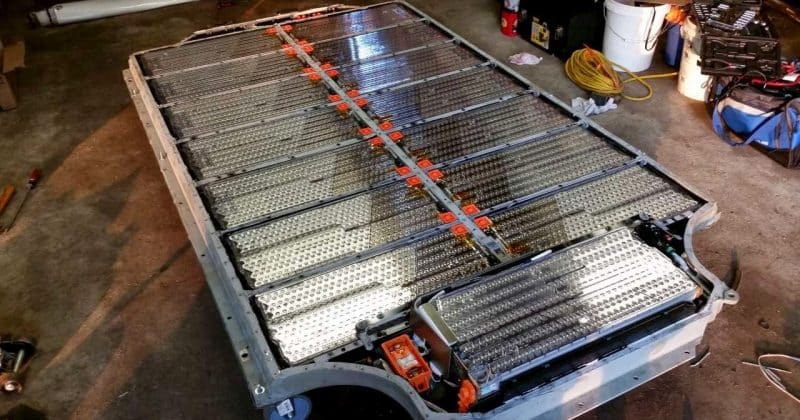
Cobalt and copper are foundational materials for the batteries that power everything from electric vehicles to the energy storage systems supporting data centers. Those same data centers are increasingly critical infrastructure for Bitcoin mining operations and AI compute clusters.
Cobalt remains a key component in lithium-ion battery cathodes, the same batteries powering the portable and backup energy systems that some mining operations rely on. Supply concentration in the hands of any single nation creates pricing risk that flows through the entire technology stack.
The China problem, and whether this fixes it
With approximately 72% of Congolese cobalt and copper output under Chinese control, the supply chain for these critical minerals has been heavily concentrated for years.
The Washington Accord, announced in December 2025, was designed to change that dynamic by establishing a US-DRC strategic minerals partnership. Virtus’s acquisition of Chemaf is the first tangible result of that framework.
A Reuters investigation published in April 2026 revealed that Virtus had overstated its mining experience on its website. For a company suddenly responsible for operations that could produce 5% of global cobalt, questions about operational competence are not trivial.
The US government’s involvement provides backing both financially through the DFC and diplomatically through the State Department. But government support doesn’t operate a mine.
What this means for investors
The gap between acquiring mines and producing 75,000 tonnes of copper cathodes annually is enormous, filled with capital expenditure, hiring, regulatory approvals, and the unglamorous work of keeping heavy machinery running in central Africa.
The Reuters revelations about Virtus’s overstated experience add a layer of risk that shouldn’t be ignored. If operational setbacks emerge, this deal could become a cautionary tale about the gap between geopolitical ambition and industrial execution.
Disclosure: This article was edited by Editorial Team. For more information on how we create and review content, see our Editorial Policy.










 English (US) ·