
 21 hours ago
2
21 hours ago
2
The USMNT walked into the 2026 World Cup with a defensive reputation that politely could be called “a work in progress.” Nobody expected a stingy backline. Yet here we are, watching a transformed defense that’s become a genuine tournament strength. But while the team has plugged holes on the pitch, there’s a conspicuous gap off it: the United States Men’s National Team has zero dedicated crypto sponsorships or fan token deals.
That’s remarkable when you consider the money flowing into the intersection of soccer and digital assets right now. And it’s even more remarkable when you realize the World Cup is being played on American soil.
The crypto gold rush the USMNT is sitting out
FIFA named Kraken as its Official Crypto Exchange Supporter for the World Cup on June 9, 2026. That deal alone signaled the tournament’s full embrace of the digital asset industry at the highest level of the sport.
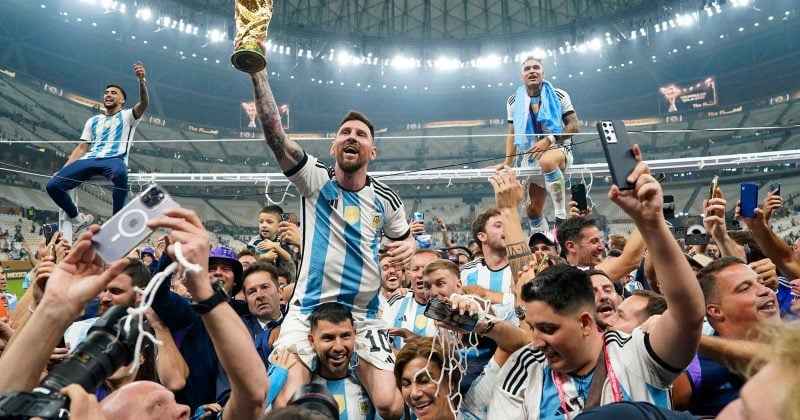
Meanwhile, national federations across the globe have been busy launching their own fan tokens. Argentina, Portugal, Italy, Belgium ($BELG), Spain ($SPAIN), and even South Africa have all either launched or announced tokenized fan engagement products for 2026. These tokens, built primarily on the Chiliz blockchain through the Socios.com platform, let supporters vote on minor club and federation decisions, access exclusive content, and participate in gamified experiences.
Chiliz, the company behind Socios.com, has committed between $50 million and $100 million toward US fan engagement initiatives tied specifically to the 2026 World Cup cycle. That’s a staggering allocation aimed squarely at American fans, and yet the federation itself hasn’t signed on the dotted line.
Regulatory clarity changed the game
For years, one of the biggest obstacles to US sports organizations embracing fan tokens was regulatory uncertainty. Nobody wanted to be the test case that drew SEC enforcement action.
But that obstacle largely disappeared on March 17, 2026, when the SEC and CFTC jointly issued regulatory guidance classifying Socios.com Fan Tokens as digital collectibles rather than securities. In English: fan tokens got the green light from US regulators, slotting them into a category that doesn’t trigger the full weight of securities law compliance.
European and South American federations had operated in a more permissive environment for years, which is partly why they moved first. But with the regulatory runway now clear in the US, the USMNT’s continued absence from the fan token space looks less like prudent caution and more like a missed opportunity.
What this means for crypto investors and the fan token market
For crypto market participants, the USMNT’s absence creates an interesting dynamic. Chiliz’s massive capital commitment to US fan engagement suggests the company is betting heavily that American soccer fans will eventually adopt tokenized engagement, whether the federation itself moves quickly or not.
There are risks, of course. Fan tokens have a mixed track record as investments. Many have seen steep post-tournament declines once the emotional urgency fades. The tokens themselves offer limited utility beyond voting on relatively trivial decisions, like which song plays at a stadium or which warm-up jersey design to use.
The more substantive play might be in Chiliz’s native CHZ token itself. If the company successfully activates its US-focused spending and onboards American fans at scale, CHZ could benefit as the infrastructure layer powering the entire ecosystem. The 2026 World Cup represents the single largest potential user acquisition event in Chiliz’s history, and the US market is the prize.
The broader takeaway for the crypto industry is that sports tokenization has crossed a regulatory threshold in the US that makes large-scale adoption genuinely possible. The March 2026 SEC and CFTC guidance didn’t just help fan tokens. It established a framework that could apply to a range of digital collectible and engagement products across American professional sports leagues.
Disclosure: This article was edited by Editorial Team. For more information on how we create and review content, see our Editorial Policy.





 English (US) ·