
 1 hour ago
2
1 hour ago
2
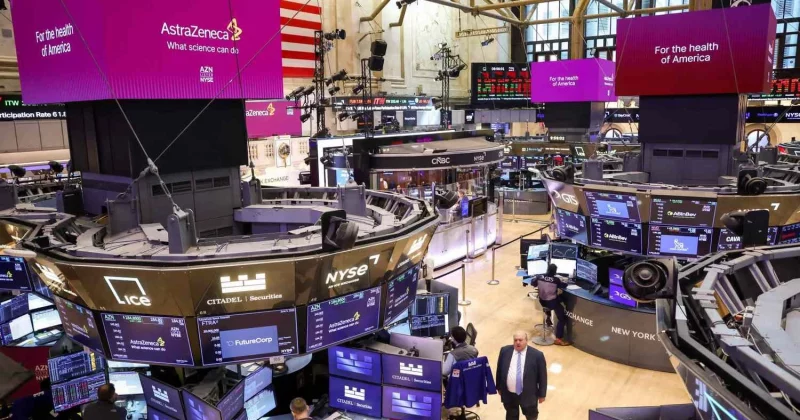
The semiconductor sector just had the kind of day that makes portfolio managers stare at their screens and quietly close their laptops. US-listed chipmakers shed approximately $1.3 trillion in market capitalization on June 5, 2026, a wipeout that rippled through every corner of the risk asset universe, crypto included.
The PHLX Semiconductor Index, better known as the .SOX, cratered 10.3%. That marks its steepest single-session decline since March 2020, when the pandemic was busy rewriting the rules of global commerce. The Nasdaq, meanwhile, posted its largest daily drop since April 2025.
Broadcom’s guidance problem
The company reported Q2 AI semiconductor revenue of $10.8 billion, representing 143% year-over-year growth. Broadcom’s Q3 guidance came in at $16 billion, a figure that fell short of what the market had priced in.
Broadcom stock dropped between 6% and 8% in the session. Nvidia shed more than $300 billion in market value, a roughly 6% decline. Micron took the hardest hit among major names, plunging 13%. Marvell fell between 8% and 17%, AMD dropped roughly 8% to 11%, and Intel slid approximately 8%.
The macro backdrop made it worse
A hotter-than-expected jobs report stoked fresh concerns about interest rate hikes, meaning the Federal Reserve has less reason to cut rates and borrowing costs stay elevated.
Crypto caught in the crossfire
Around $130 billion was wiped from the cryptocurrency market during the selloff. Bitcoin and related equities declined in tandem with chip stocks. Coinbase and MicroStrategy, two of the most prominent crypto-adjacent public companies, both saw significant losses.
What this means for investors
The .SOX’s 10.3% decline was its worst since the early pandemic panic. Broadcom’s 143% revenue growth is genuinely remarkable. The fact that it wasn’t enough to satisfy investors tells you everything about where expectations have drifted.
The $130 billion crypto drawdown in a single session illustrates what simultaneous institutional exits from both semiconductors and digital assets can look like, given the increasing correlation between the two sectors during risk-off events.
Disclosure: This article was edited by Editorial Team. For more information on how we create and review content, see our Editorial Policy.










 English (US) ·