
 1 hour ago
1
1 hour ago
1
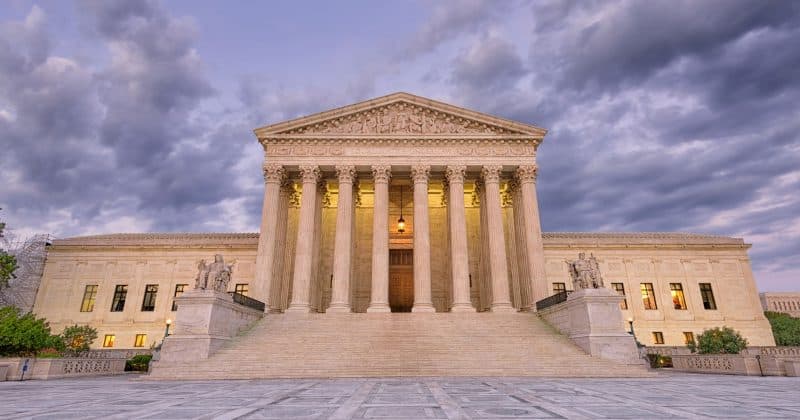
The US Supreme Court just handed the president a power that nine decades of legal precedent said he couldn’t have. On June 29, 2026, the Court ruled that Trump can fire the heads of most independent federal agencies at will, no cause required. The one notable exception: the Federal Reserve.
For crypto markets, the ruling is less about constitutional theory and more about who sits in the chairs at the SEC and CFTC. When the president can remove agency heads without needing a reason, the personnel turnover at key regulatory bodies could accelerate dramatically.
What the Court actually decided
The ruling effectively overturns Humphrey’s Executor v. United States, a 1935 Supreme Court decision that had protected independent agency officials from being fired without just cause. That precedent stood for 91 years.
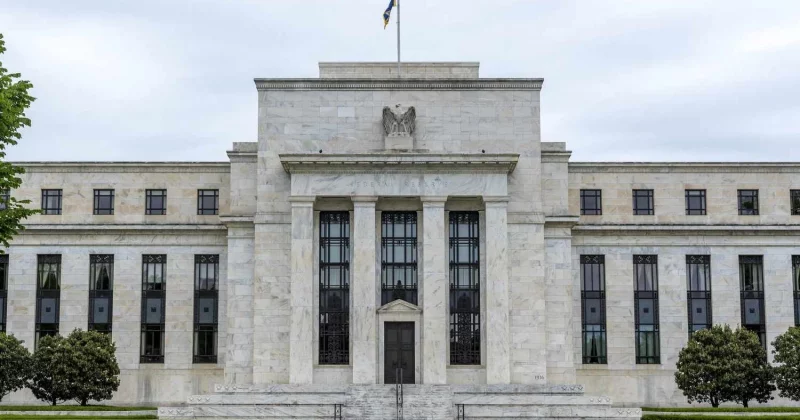
The Court carved out a specific exemption for the Federal Reserve, classifying it as a “sui generis” entity. Its governors, including Lisa Cook, remain shielded from at-will dismissal.
The writing was on the wall before this ruling dropped. Back on May 22, 2025, the Court had already granted a stay that enabled removals at agencies like the National Labor Relations Board and the Merit Systems Protection Board without cause.
Why crypto investors should pay attention
The departure of former SEC Chair Gary Gensler in January 2025 was celebrated across the digital asset sector. This ruling takes the logic of that moment and turns it into a permanent structural feature of American governance.
Political discussions within the pro-Trump camp have already signaled an intention to replace regulators perceived as anti-crypto. With this ruling, the legal barrier to doing so has essentially evaporated.
The volatility risk nobody wants to talk about
The old “for cause” protections existed precisely to insulate regulatory bodies from political whiplash. Without them, the SEC’s approach to digital assets could swing wildly from one administration to the next.
The Fed exemption provides some stability anchor. But the agencies that directly regulate crypto markets — the ones that decide whether a token is a security or a commodity, whether an exchange can operate, whether a stablecoin issuer needs a bank charter — are now fully within the president’s orbit.
Disclosure: This article was edited by Editorial Team. For more information on how we create and review content, see our Editorial Policy.












 English (US) ·