
 47 minutes ago
1
47 minutes ago
1
The US military struck six road bridges in southern Iran overnight, according to Iranian state media, marking the sixth consecutive night of airstrikes targeting infrastructure in the region. Bitcoin responded by sliding to around $62,800 to $63,000, as traders once again grappled with what sustained military escalation in the Middle East means for risk assets.
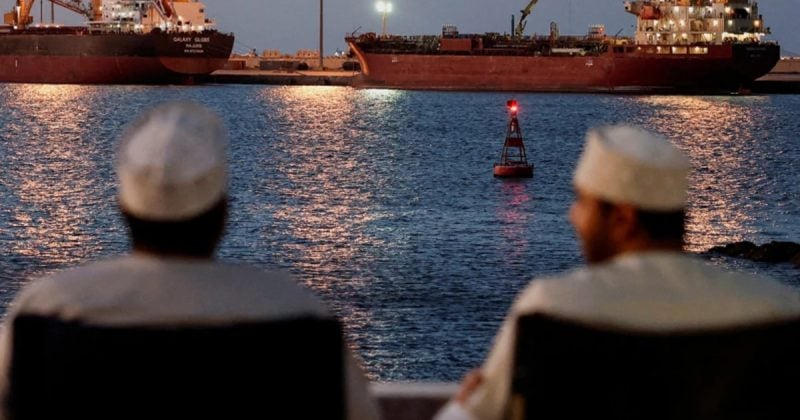
The bridges were located in the Hormozgan province, specifically in the Bandar Khamir area. For anyone reaching for a map, that’s right next to the Strait of Hormuz, the narrow waterway through which roughly a fifth of the world’s oil supply passes on any given day.
What happened on the ground
Iranian state media reported that between five and six bridges were hit during the latest wave of attacks, with casualty figures of seven to eight killed and approximately 20 wounded. A local airport and a railway station were also struck as part of the broader campaign.
Iranian state media characterized the targets as civilian infrastructure. The US has framed its ongoing operations as military actions aimed at disrupting Iranian logistics and supply lines.
Bitcoin’s muted but telling reaction
Bitcoin dropped to the $62,800 to $63,000 range on July 17, reflecting a broader risk-off mood across financial markets.
Part of the explanation is that macroeconomic factors, particularly Federal Reserve policy expectations, are still the dominant force driving crypto price action. Geopolitical risk is layering on top of existing uncertainty rather than overriding it.
The Strait of Hormuz problem
The geography of these strikes deserves close attention. Hormozgan province sits directly on Iran’s southern coast, and the Strait of Hormuz is the single most important bottleneck in global energy markets. Any credible threat to shipping through the strait tends to send oil prices higher, which feeds into inflation expectations, which complicates central bank policy, which eventually lands on every portfolio from pension funds to DeFi vaults.
Iran has historically threatened to close the strait in response to military pressure, though it has never fully followed through. Previous rounds of US-Iran tensions, including the 2020 killing of General Qasem Soleimani, produced sharp but short-lived market reactions.
What this means for crypto investors
As the crypto market has matured, its correlation with traditional risk assets has increased during acute stress events. Bitcoin didn’t rally on the Iran strikes. It sold off alongside equities.
For now, the key variable to watch is oil. If strikes near the Strait of Hormuz escalate to the point where energy markets price in a genuine supply disruption, the second-order effects on inflation and monetary policy could be significant. Higher oil means stickier inflation, which means tighter Fed policy for longer, which is historically bearish for risk assets including crypto.
Disclosure: This article was edited by Editorial Team. For more information on how we create and review content, see our Editorial Policy.














 English (US) ·