
 1 hour ago
1
1 hour ago
1
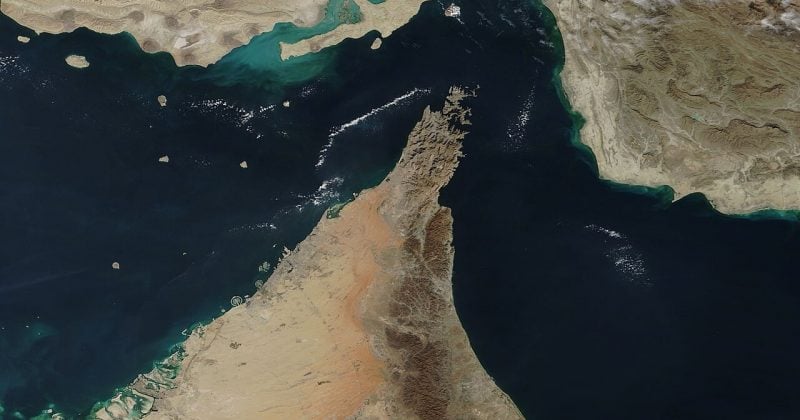
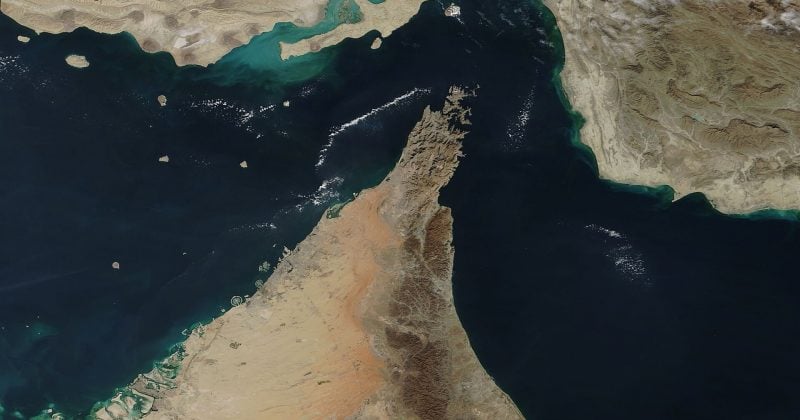
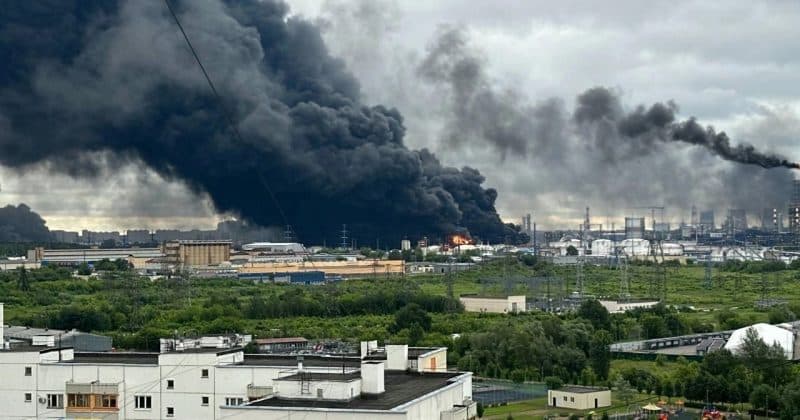
Iran’s state news agency IRNA reported that the United States conducted a military strike early Friday on the Bandar Abbas rail junction. This action is part of ongoing U.S. operations against Iran, marking the sixth consecutive night of airstrikes in the 2026 Iran war. The strike targets a critical logistical node near Iran’s largest port and key military facilities of the Revolutionary Guards, suggesting a shift toward disrupting Iranian infrastructure and supply lines. The conflict was initially triggered by Iranian attacks on commercial vessels in the Strait of Hormuz, escalating tensions in the region.
Key Takeaways
- Market behavior suggests participants view the U.S. strike as decreasing the likelihood of IAEA visits to Iranian nuclear sites, with pricing reflecting heightened security concerns.
- The probability of an IAEA visit by July 31 remains low at 1.1% YES, with a slight increase for August 31 at 5.1% YES, indicating uncertainty about access in the near term.
- The ongoing conflict and military actions appear consistent with scenarios projecting continued instability, potentially affecting related markets like the fall of the Iranian regime, currently at 8.5% YES by year-end.
What to Watch
Observers should monitor further military developments and their impact on diplomatic engagements, particularly any statements from IAEA Director General Rafael Mariano Grossi or Iranian officials. Additional U.S. or Israeli strikes could further affect probabilities of IAEA site access, with significant implications if Mohammad Eslami, Iran’s Minister of Atomic Energy, cites security reasons for denying access. The unfolding situation may also influence the broader geopolitical landscape, including potential shifts in the likelihood of regime change in Iran.
Get live prediction-market analysis, powered by Vera. Sign up for Vera.
Disclosure: This article was edited by Estefano Gomez. For more information on how we create and review content, see our Editorial Policy.











 English (US) ·