
 1 hour ago
2
1 hour ago
2
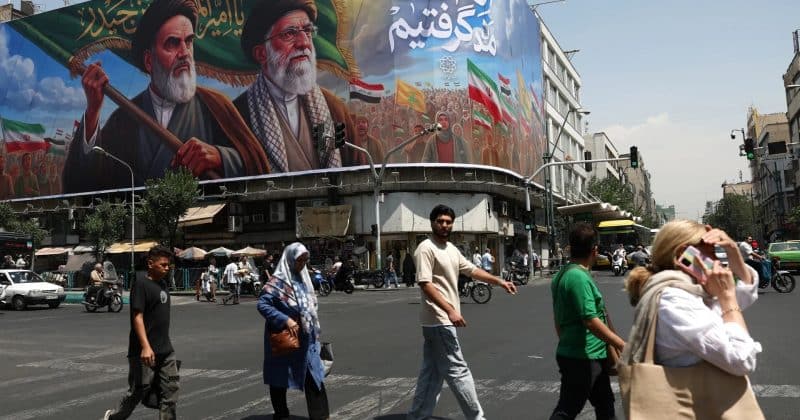
The US military struck a railway bridge in northern Iran this week, and while no one was killed, the target itself tells a much bigger story. The Aq Tekeh Khan bridge in Golestan province isn’t just a piece of infrastructure. It’s a chokepoint on one of the most strategically important overland trade corridors connecting Tehran to Beijing and Moscow.
What happened and why it matters
US forces reportedly used cruise missiles to hit the bridge on July 8-9, 2026. No immediate casualties were reported. The strike marks the first time the US has targeted Iranian infrastructure since a ceasefire agreement collapsed in April 2026.
The rail corridor it supports enables freight to move from Xi’an, China to Tehran in roughly 10-15 days, completely bypassing maritime shipping routes. The bridge sits along routes tied to two of the most ambitious trade infrastructure projects on the planet. China’s Belt and Road Initiative and the International North-South Transport Corridor, known as the INSTC, both depend on rail links through this part of Iran. The INSTC, originally conceptualized by Russia, India, and Iran in 2000, is designed to move goods between India, Iran, Russia, and Central Asia.
The crypto market’s geopolitical reflex
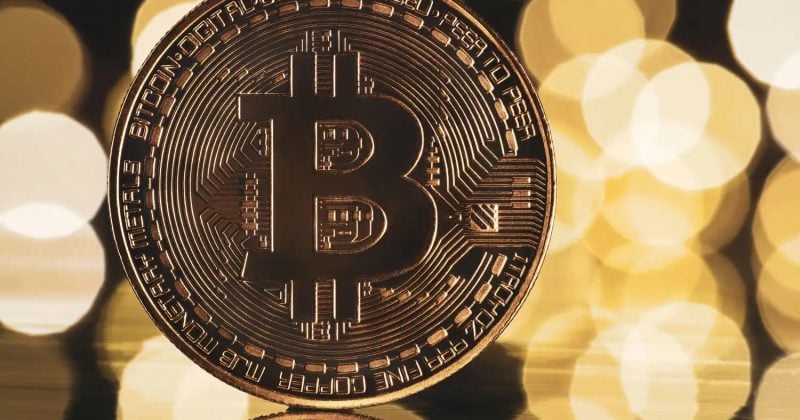
When the US killed Iranian General Qassem Soleimani in January 2020, Bitcoin initially sold off before recovering. Ethereum followed a similar pattern.
Oil prices are the other variable worth watching closely. Approximately 20% of global oil passes through the Strait of Hormuz daily, and any escalation that threatens shipping there tends to push energy prices higher. Iranian state media has condemned the strikes and promised a strong retaliatory response.
Trade corridors as the new battleground
Russia and China have both been expanding their use of yuan-denominated trade settlement and exploring blockchain-based alternatives to Western financial infrastructure. Iran itself has experimented with crypto mining as a way to monetize its energy resources outside the formal banking system.
What investors should be watching
The current situation differs from the 2020 Soleimani episode because it exists within an ongoing conflict where a ceasefire has already failed, following US and Israeli airstrikes that began on February 28, 2026, and Iran’s subsequent resumption of hostilities targeting international maritime shipping near the Strait of Hormuz.
Analysts tracking the fallout suggest that monitoring stablecoin flows could provide early signals of how capital is repositioning. Large movements in USDT and USDC volumes often precede broader directional moves in Bitcoin and altcoins.
Disclosure: This article was edited by Editorial Team. For more information on how we create and review content, see our Editorial Policy.





 English (US) ·