
 1 hour ago
1
1 hour ago
1
Wall Street had one of those days where everything that could go wrong did. A May jobs report that came in almost twice as hot as expected sent investors scrambling for the exits, with the Nasdaq Composite dropping roughly 4.2% in its worst single-session decline since April 2025.
The S&P 500 fell 2.6%, while the Dow Jones shed approximately 1.4%. In total, the S&P 500 saw nearly $1.3 to $1.4 trillion in market value evaporate, with Big Tech and AI-adjacent stocks absorbing the heaviest blows.
A jobs report nobody wanted
US nonfarm payrolls added 172,000 jobs in May, against consensus estimates in the range of 80,000 to 90,000. Unemployment held steady at 4.3%. The data raised the probability that the Fed might actually hike rates later this year.
The 10-year Treasury yield climbed in response, reflecting a market that’s rapidly recalibrating its expectations for monetary policy.
Nvidia, the poster child of the AI investment boom, dropped about 6%. Chipmakers collectively lost over $1.3 trillion in market value.
Crypto caught in the crossfire
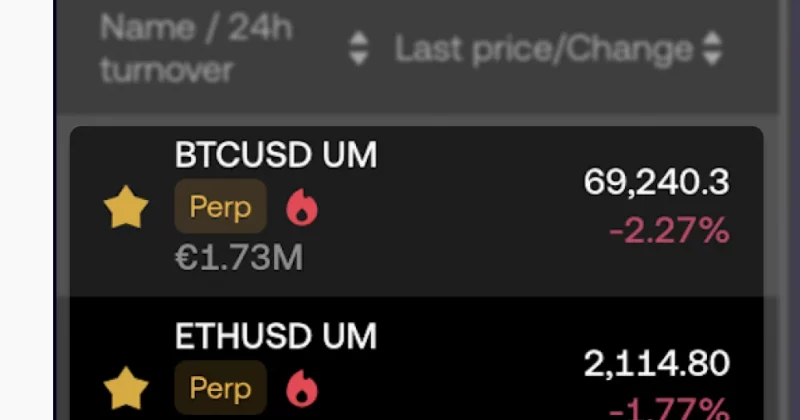
Bitcoin fell approximately 3.9% to around $61,156, while Ether experienced a sharper correction, dropping nearly 10% to roughly $1,598.
Strategy (the company formerly known as MicroStrategy), Tesla, and Marathon Digital have collectively lost around $62 billion in market capitalization since their peak in early October 2025. Their combined valuation dropped from about $134 billion to approximately $72 billion.
These “Bitcoin treasury” stocks fell harder than Bitcoin itself, which tells you something about how the market views leveraged exposure to crypto in a risk-off environment.
What this means for investors
Nvidia’s 6% decline wasn’t just about interest rates. It reflected growing unease about whether AI revenue can justify current valuations in a tighter monetary environment.
The performance gap between Bitcoin itself and Bitcoin-treasury stocks is also worth monitoring. When Strategy’s stock falls faster than the underlying asset it’s supposed to represent, it suggests the market is pricing in additional risks: potential forced selling, dilution, or simply the realization that these companies trade at premiums that evaporate in downturns.
Disclosure: This article was edited by Editorial Team. For more information on how we create and review content, see our Editorial Policy.














 English (US) ·