
 59 minutes ago
1
59 minutes ago
1
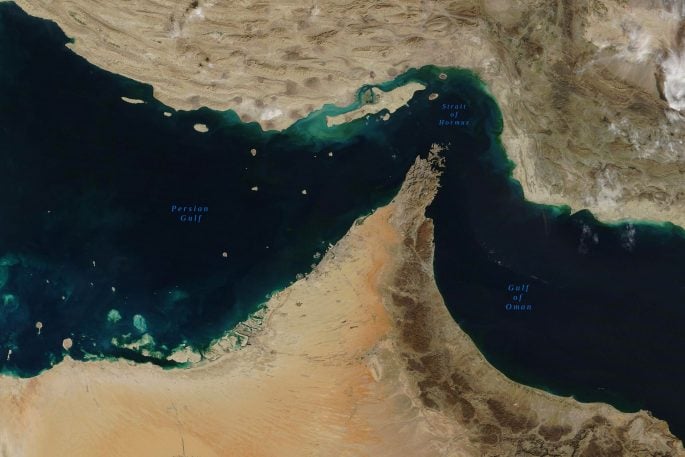
Diplomacy between Washington and Tehran just hit a wall, and markets are feeling every brick. US stock futures tumbled after President Trump rejected Iran’s counter-proposal to his deal over the Strait of Hormuz, reigniting fears of a broader military confrontation and rattling investors across asset classes.
Dow futures fell by more than 450 points, while oil prices spiked to $90 per barrel on concerns about supply disruptions through one of the world’s most critical shipping lanes. The S&P 500 and Nasdaq futures also posted marginal declines during overnight trading sessions as the situation deteriorated.
From negotiation table to market turmoil
The timeline here matters. On April 9, during an earlier phase of negotiations, Iran floated the idea of accepting Bitcoin for oil tanker transit through the Strait of Hormuz. That suggestion, however unconventional, initially gave US stock futures a brief boost.
By April 12, negotiations between the two countries collapsed entirely, and Bitcoin along with other digital assets began sliding. The correlation between traditional market stress and crypto selling pressure was on full display.
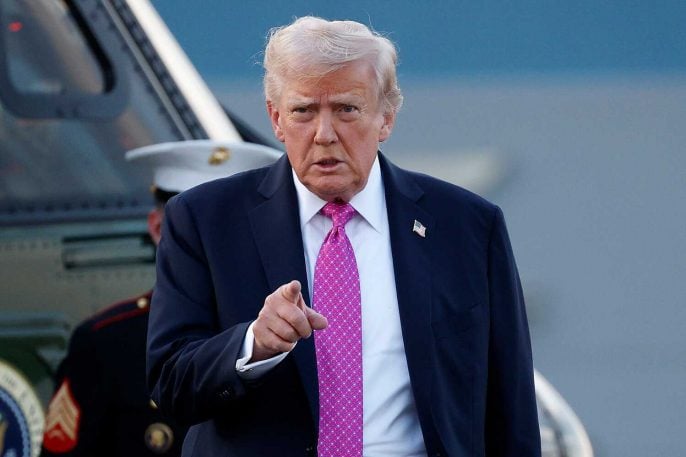
Then came the latest blow. Trump’s outright rejection of Iran’s response to his proposal poured accelerant on an already smoldering situation. He threatened to escalate military actions against Iran, a move that pushed futures further into the red and sent crude oil soaring as traders priced in the possibility of supply chain chaos in the Persian Gulf.
Polymarket odds of US military action against Iran fluctuated but remained below 50%, suggesting prediction markets still see diplomacy, or at least restraint, as the base case.
The crypto ripple effect
Investors pivoted toward safe-haven assets, with the US dollar strengthening as capital fled from riskier positions. That flight-to-safety trade hit crypto particularly hard, as Bitcoin and altcoins saw selling pressure from traders reducing exposure across the board.
Iran’s earlier suggestion of using Bitcoin for oil tanker transactions, while still speculative, points to a growing narrative. Countries under sanctions pressure are increasingly eyeing cryptocurrencies as tools for economic maneuverability. If Iran were to seriously pursue Bitcoin-denominated energy deals, it would represent a significant real-world use case for the asset, one that sits at the intersection of geopolitics and decentralized finance.
What this means for investors
Oil at $90 per barrel raises the specter of renewed inflationary pressure, which could complicate the Federal Reserve’s policy path and weigh on growth-sensitive sectors. Energy stocks might benefit, but the broader equity market tends to suffer when geopolitical risk premiums spike this aggressively.
For crypto investors specifically, the correlated selloff presents both risk and opportunity. The risk is obvious: further escalation between the US and Iran could trigger another wave of de-risking that drags Bitcoin and altcoins lower alongside stocks. When institutional investors hit the panic button, correlations across asset classes tend to converge toward one, meaning everything sells off together.
Prediction markets putting the odds of strikes below 50% offers some reassurance, but markets have a way of front-running worst-case scenarios before the facts catch up.
Disclosure: This article was edited by Editorial Team. For more information on how we create and review content, see our Editorial Policy.












 English (US) ·