
 1 month ago
33
1 month ago
33
The information provided in this article is for informational purposes only and does not constitute financial advice. Cryptocurrency investments carry a high degree of risk. Always conduct your own research.
US Senators and White House reach a stablecoin deal as CBS reports potential ground forces in Iran, sending crypto prices into a volatile tailspin.

The cryptocurrency market is currently navigating a dual-force storm: a historic regulatory breakthrough in Washington and a terrifying escalation of geopolitical tension in the Middle East. While US Senators have finally reached a tentative agreement with the White House to resolve the long-standing stablecoin dispute with banks, the news is being overshadowed by reports that the United States is preparing for a potential ground invasion of Iran.
US Crypto Market Structure: The Stablecoin Compromise
In a move that could define the US crypto market structure, Senators Thom Tillis (R-N.C.) and Angela Alsobrooks (D-MD) announced an "agreement in principle" on Friday. The deal seeks to bridge the gap between digital asset firms and traditional banks regarding stablecoin yields.
Banks have argued that allowing crypto exchanges to pay rewards on stablecoin holdings would trigger "deposit flight" from traditional savings accounts. The new compromise reportedly limits yield payments on passive balances while protecting the ability of firms to innovate within the payment sector. This agreement clears the path for the landmark Market Structure Bill to move to a committee vote as early as April.
USA-Iran War: USA Ground Force Preparations
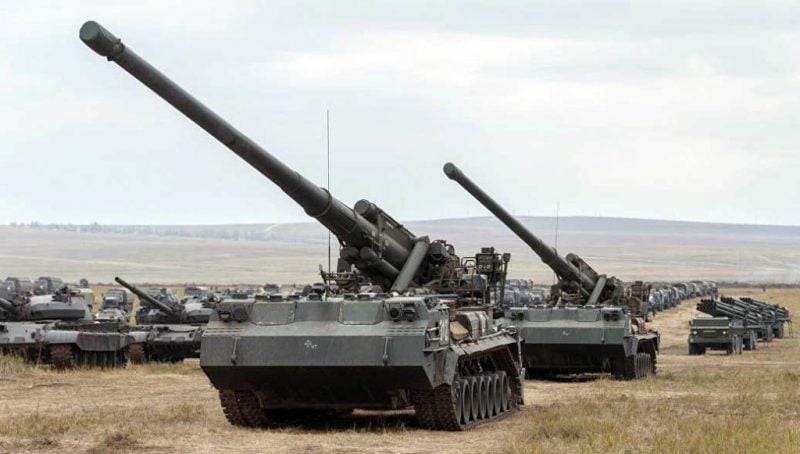
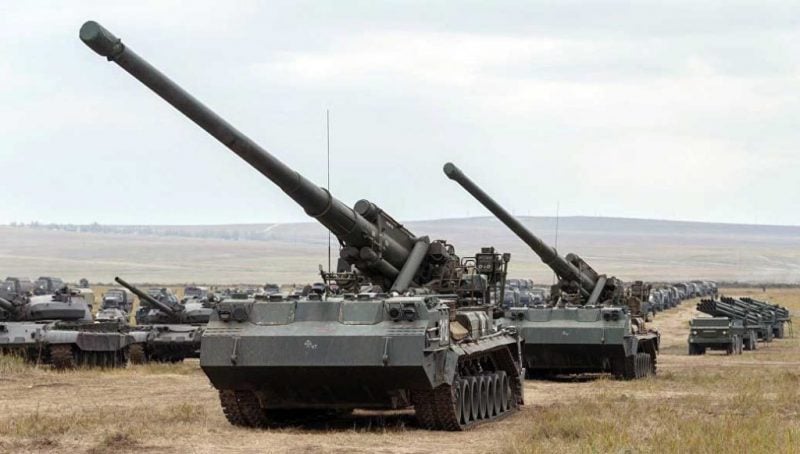
The regulatory optimism was quickly met with a "risk-off" wallop. According to CBS News, Pentagon officials have drafted detailed plans for the deployment of ground forces into Iran. While the White House maintains that no final decision has been made, the "Operation Epic Fury" preparations suggest a significant shift from localized strikes to a broader theater of war.
Investors are reacting to the prospect of a prolonged conflict. Historically, $Bitcoin has often been touted as "digital gold," but in the immediate wake of sudden military escalations, it frequently behaves like a high-beta risk asset, selling off alongside tech stocks as traders scramble for liquid cash and traditional havens like the US Dollar.
Why is the Crypto Market Crashing?
The current market downturn is driven by three primary factors:
- War Fatigue and Escalation: Initial surgical strikes in February were priced in, but the threat of "boots on the ground" suggests a multi-month or multi-year conflict that could disrupt global energy supplies.
- Liquidity Crises: Large institutional players often sell liquid assets like BTC and ETH to cover margins in other bleeding sectors.
- Inflationary Fears: A ground war in the Middle East risks pushing oil prices toward $120 per barrel, likely forcing the Federal Reserve to keep interest rates "higher for longer" to combat resurging inflation.
Future Outlook: Recovery or Recession?
Despite the immediate carnage, the long-term outlook for crypto remains anchored by the "CLARITY" of new regulations. If the Senate passes the stablecoin deal, it provides a legal "green light" for institutional capital to enter the space with reduced litigation risk.
| Bitcoin | Bearish (Volatility) | Bullish (Regulatory Clarity) |
| Stablecoins | High Demand/Premium | Regulated Asset Class |
| Altcoins | Deep Correction | Selective Recovery |
Traders should monitor the support levels for BTC at $60,000. If this level holds despite the war rhetoric, it could signal a massive "accumulation" phase once the initial panic subsides.
- Expert Insight: "The market is currently pricing in the worst-case scenario for the Middle East. However, the legislative progress in D.C. is the most significant structural tailwind we've seen in years. We are seeing a transfer of wealth from panic-sellers to long-term regulatory-focused accumulators."














 English (US) ·