
 1 hour ago
2
1 hour ago
2
When US Soccer needed to find a coach capable of not embarrassing the country on home soil during the 2026 World Cup, it turned to a familiar playbook: get a billionaire to write the check. Kenneth Griffin, founder and CEO of hedge fund giant Citadel, provided the philanthropic leadership gift that made hiring Mauricio Pochettino possible.
The appointment, announced on September 10, 2024, brought one of European football’s most accomplished managers to a federation that has historically struggled to attract top-tier coaching talent. The reason is straightforward: money. Pochettino’s compensation package reportedly reaches up to $6 million per year, plus a $2.5 million signing bonus, making him the highest-paid figure in US Soccer history.
How a hedge fund billionaire became US Soccer’s biggest benefactor
Griffin’s involvement in this deal wasn’t a random act of generosity. The Citadel CEO has been building a track record as a soccer patron, having previously donated $8 million for youth soccer facilities in Chicago and Miami-Dade County. His connection to this particular hiring came through Scott Goodwin, co-founder of Diameter Capital, who helped facilitate the funding initiative.
Pochettino reportedly earned approximately $5 million in his first seven months on the job, from September 2024 through March 2025. That figure includes the signing bonus, which means his base salary alone puts him in rarefied air for international football managers.
US Soccer essentially found a workaround. Rather than stretching its own budget to compete with the salaries offered by Premier League or La Liga clubs, the federation leveraged private philanthropy to bridge the gap. Additional commercial partners also contributed to the deal, though Griffin’s backing was the cornerstone.
Why Pochettino, and why now
The urgency behind this hire traces directly to the US Men’s National Team’s poor showing at the 2024 Copa América. The tournament exposed significant tactical and organizational weaknesses at precisely the wrong time, with the 2026 World Cup approaching on home soil.
Pochettino’s resume reads like exactly what the situation demanded. His managerial career includes stints at Chelsea, Paris Saint-Germain, and Tottenham Hotspur, where he famously guided Spurs to the 2019 Champions League final. He’s known for developing young players and implementing high-pressing tactical systems, both of which align with what the USMNT’s talented but inconsistent roster needs.
What this means for the intersection of finance and sports
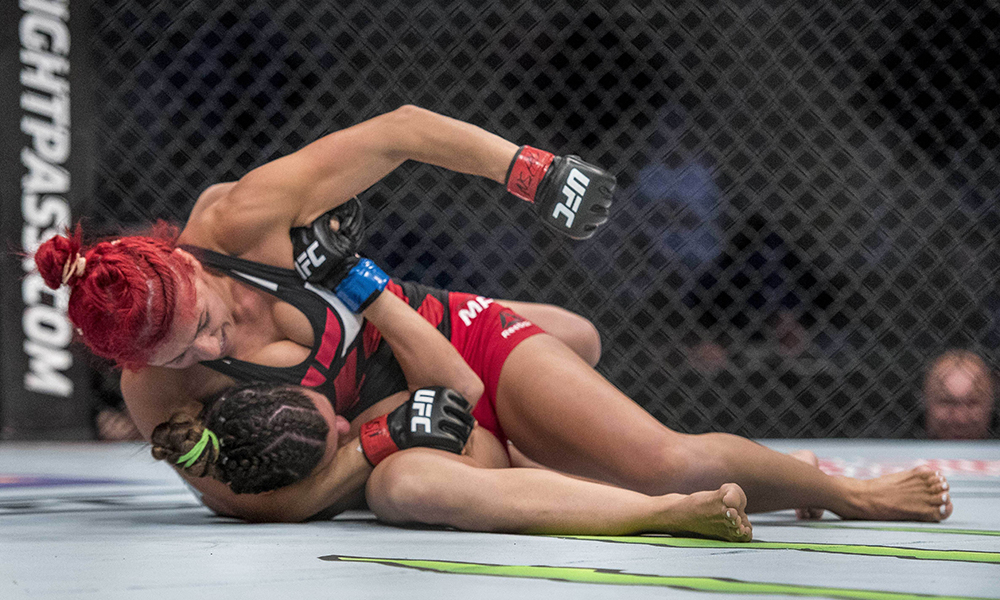
It’s also notable that this deal was structured entirely through traditional finance and philanthropic channels. In an era where crypto exchanges and token-backed sponsorships have aggressively pursued sports partnerships, from FTX’s naming rights deal with the Miami Heat’s arena to Crypto.com’s deal with the UFC, the Pochettino hiring relied on old-school billionaire backing. No tokens, no blockchain integration, no Web3 buzzwords.
The crypto industry’s retreat from marquee sports deals, accelerated by the collapse of FTX and the broader market downturn, has left a vacuum that traditional finance figures like Griffin are filling. The message to the market is that when the stakes are genuinely high, federations and sports organizations still default to conventional funding sources.
Disclosure: This article was edited by Editorial Team. For more information on how we create and review content, see our Editorial Policy.










 English (US) ·