
 1 hour ago
1
1 hour ago
1
Oil prices just blew past $100 a barrel, and the reason is familiar: geopolitics in the Middle East. US crude benchmarks surged after peace talks between the US and Iran stalled, sending traders scrambling to price in the risk of a major disruption to one of the world’s most critical oil shipping chokepoints.
Brent crude futures climbed to $103.47 per barrel after President Donald Trump declared negotiations with Iran had “failed.” West Texas Intermediate, the US benchmark, wasn’t far behind, rising to $105.63 per barrel. For context, oil was trading significantly lower just days earlier, when optimism around a diplomatic breakthrough briefly sent prices tumbling more than 7%.
The Strait of Hormuz factor
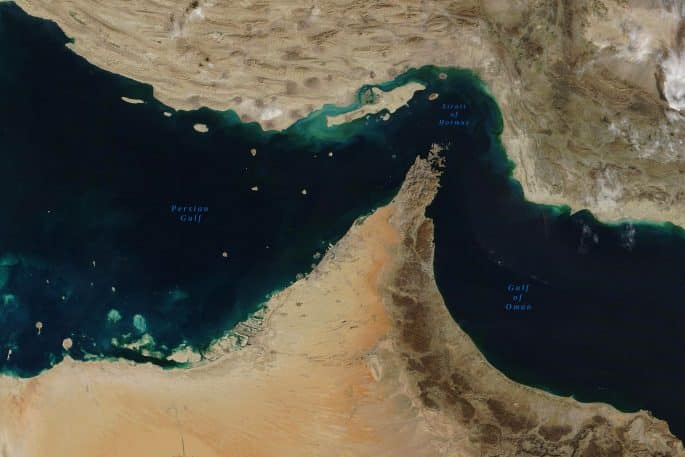
The Strait of Hormuz, a narrow waterway between Iran and the Arabian Peninsula, handles roughly a fifth of the world’s daily oil consumption. The current spike follows announcements about a US blockade of maritime traffic in the region.
Brent futures gained $6.81 in one session, a 7.2% jump, landing at $102.01 per barrel.
Meanwhile, US crude inventories dropped by 2.3 million barrels, signaling that domestic supply is already tight.
A diplomatic rollercoaster
Earlier, when there were signs that US-Iran talks might produce a breakthrough, prices dropped sharply — over 7% in a single move. Then Trump’s comments flipped the script entirely. The declaration that talks had failed wasn’t just a political statement. It was a market catalyst.
Brent’s 0.8% rise following its prior slump might sound modest in isolation, but the trajectory is clear: every failed diplomatic signal pushes prices higher, while each glimmer of hope only temporarily suppresses them.
What this means for investors and crypto
When energy prices climb, they ripple through the entire economy. Transportation costs rise. Manufacturing gets more expensive. Consumer prices follow. Central banks face even more pressure to keep rates elevated.
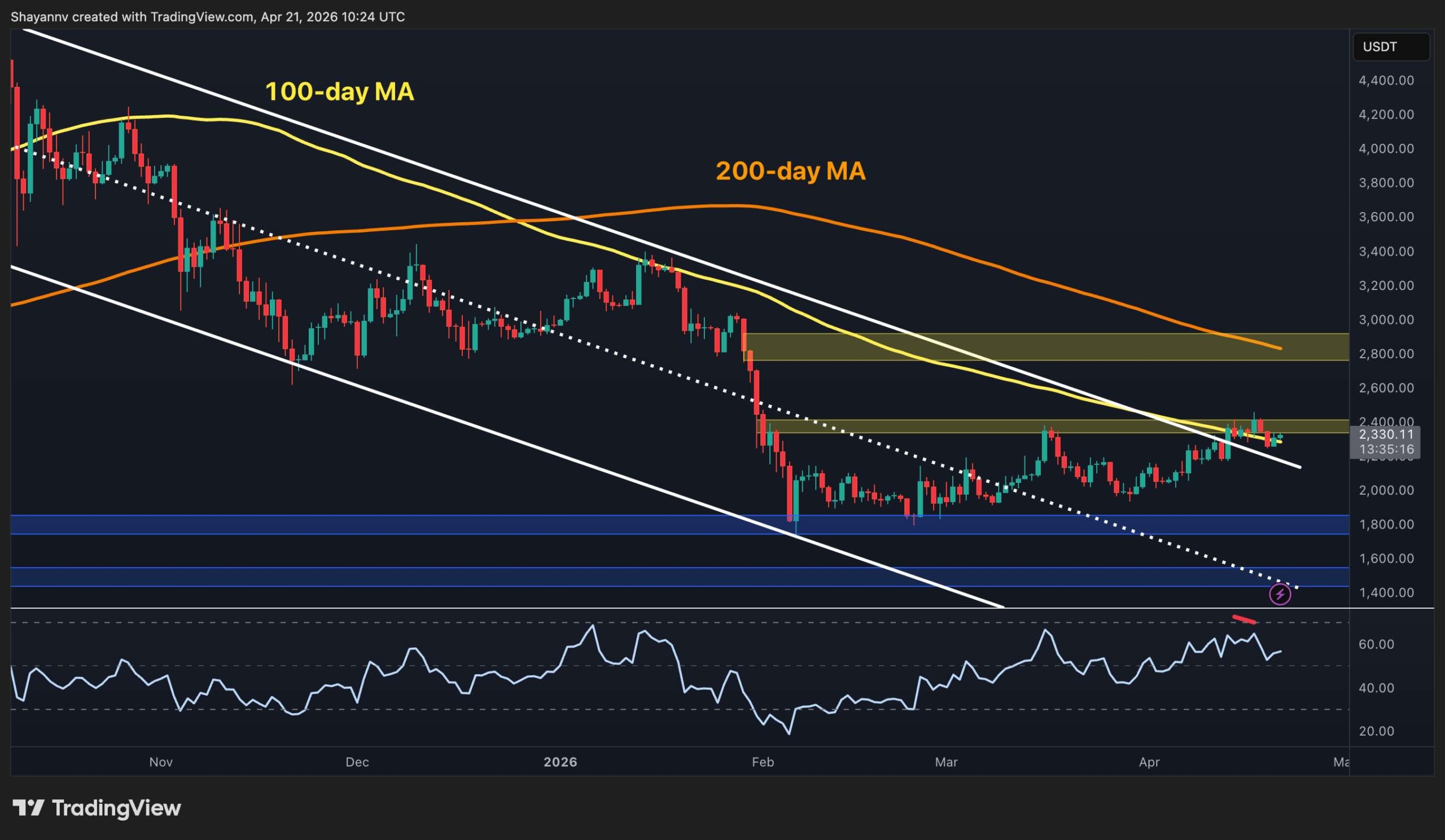
Bitcoin and Ethereum have historically shown sensitivity to shifts in interest rate expectations. When oil-driven inflation pushes rate expectations higher, crypto tends to face selling pressure alongside other risk assets.
Bitcoin mining is energy-intensive. When electricity prices rise, which they tend to do when oil surges, mining operations face squeezed margins. Smaller miners may be forced to sell holdings to cover costs, adding supply pressure to the market.
Disclosure: This article was edited by Editorial Team. For more information on how we create and review content, see our Editorial Policy.














 English (US) ·