
 1 month ago
40
1 month ago
40
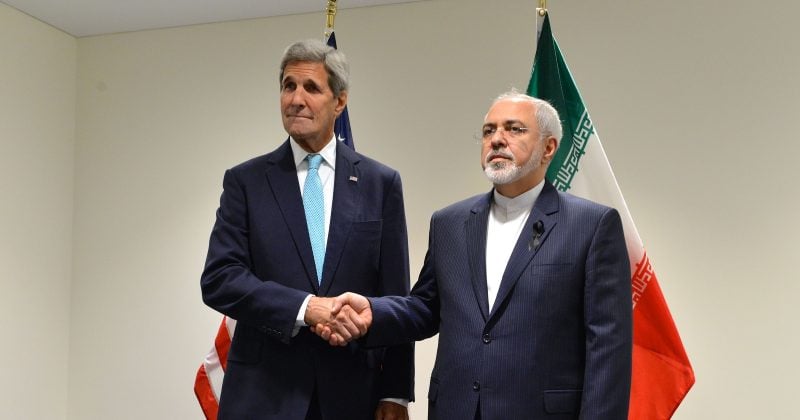
A memorandum of understanding between the US and Iran, signed in mid-June 2026, is doing something that months of Federal Reserve speeches and earnings beats couldn’t: making investors genuinely relaxed about inflation.
The interim deal, which extends a prior ceasefire by 60 days while the two sides negotiate a comprehensive peace agreement, sent the S&P 500 up approximately 1% and the Nasdaq climbing nearly 2%. Oil prices dropped to around $80 per barrel, a 33% decline from March 2026 highs.
What the deal actually says
The core of the agreement centers on two things that matter enormously for global trade. First, the reopening of the Strait of Hormuz for commercial shipping. Second, the lifting of the US naval blockade on Iranian ports. Traffic through the strait is expected to return to pre-war levels within 30 days.
In exchange for these concessions, Iran is expected to receive some degree of sanctions relief and a potential unfreezing of assets. A $300 billion reconstruction plan has been mentioned, though funding details remain unresolved. A formal signing ceremony is anticipated around June 19, 2026, in Switzerland.
The deal deliberately punts on the hardest questions. Iran’s nuclear program has been deferred to future negotiations. The agreement does not impose limitations on Iran’s ballistic missile program. And it does not call for regime change.
Markets respond with relief, not euphoria
The S&P 500’s roughly 1% gain and Nasdaq’s near-2% jump suggest that tech and growth stocks were the primary beneficiaries. Oil’s slide to around $80 per barrel represents a dramatic unwinding of the war premium that had been baked into energy prices for months.
Crypto markets joined the party as well. Bitcoin rose to over $65,000, briefly topping $66,000 in the wake of the announcement.
The regional picture is still complicated
The broader Middle Eastern landscape remains significantly unstable, with critical geopolitical dynamics involving Israel and related tensions with Hezbollah still very much in play.
The deferral of nuclear issues is particularly notable. Iran’s nuclear program has been the central sticking point in Western-Iranian relations for over two decades.
What this means for investors
Bond markets are also responding. Rising bond prices, which move inversely to yields, suggest that fixed-income investors are repricing their inflation expectations downward. If oil stays near $80 per barrel rather than the elevated levels seen earlier in 2026, the Fed has significantly more room to consider rate adjustments without worrying about re-igniting price pressures.
This is an interim agreement with a 60-day clock. The most difficult negotiating topics, nuclear capabilities and ballistic missiles, haven’t been touched. The 30-day timeline for traffic normalization through the Strait of Hormuz is ambitious, and any incident in the strait during that period could spook markets.
Disclosure: This article was edited by Editorial Team. For more information on how we create and review content, see our Editorial Policy.












 English (US) ·