
 1 month ago
34
1 month ago
34
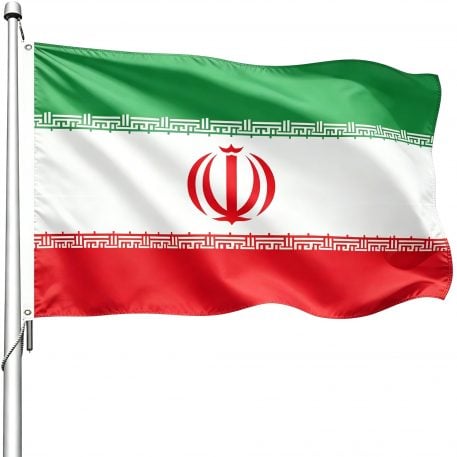
The US and Iran have reached a preliminary agreement that could be formally signed as early as today, marking one of the most significant geopolitical de-escalations in recent memory. Bitcoin has already priced in the optimism, rallying to approximately $67,000, a two-week high.
The memorandum of understanding covers a lot of ground: a 60-day ceasefire extension, the reopening of the Strait of Hormuz, and an end to the US naval blockade on Iranian ports. It also kicks off a negotiation window focused on Iran’s nuclear program and potential sanctions relief.
What the deal actually includes
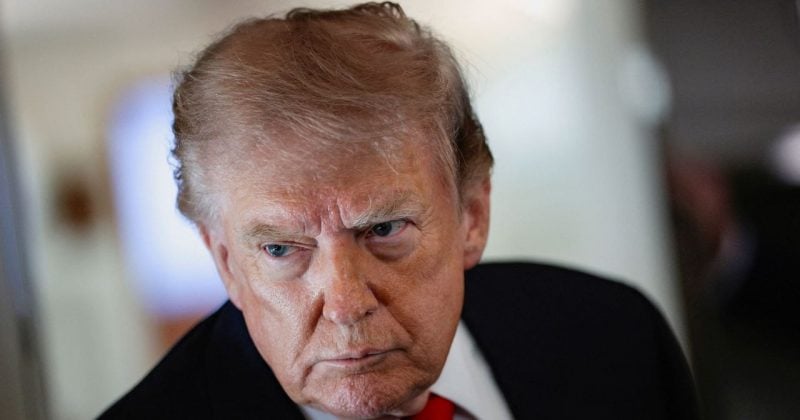
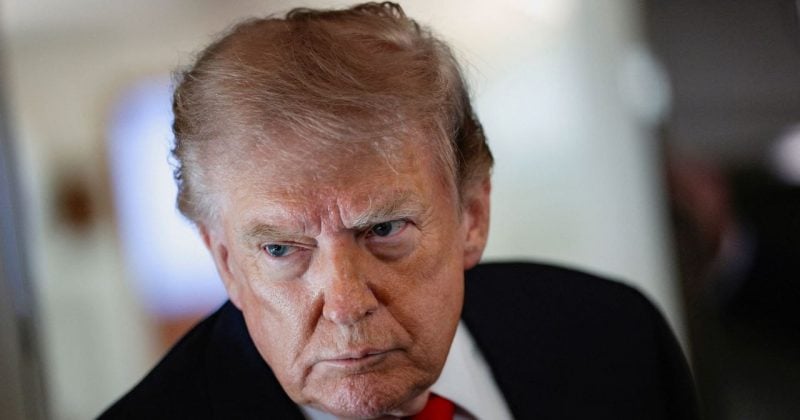
The agreement was reportedly reached around June 15, with key figures including US President Donald Trump, Vice President JD Vance, and Iranian Parliament Speaker Mohammad Bagher Ghalibaf all involved. Pakistan Prime Minister Shehbaz Sharif served as a mediator alongside Qatar.
A formal signing ceremony has been scheduled for June 19 at the Bürgenstock resort in Switzerland. The preliminary version has effectively already been signed virtually by the principal leaders, making today’s potential formalization more of a ceremonial milestone than a surprise.
The Strait of Hormuz is a chokepoint through which roughly a fifth of the world’s oil supply passes on any given day. Reopening it removes a supply bottleneck that has kept energy traders on edge for months. The lifting of the US naval blockade on Iranian ports is similarly consequential, as it directly affects crude oil flows and the broader commodities complex.
The agreement also reportedly encompasses the end of hostilities in Lebanon, broadening its scope well beyond a bilateral US-Iran framework.
Why crypto markets care about geopolitics in the Middle East
Bitcoin’s jump to around $67,000 wasn’t random. The broader cryptocurrency market also posted significant gains, with interest in Ethereum and XRP contributing to what looks like a broad-based bullish move.
What this means for investors
Both the US and Iranian sides have expressed satisfaction with the preliminary agreement, but skepticism about implementation speed is already circulating. The history of US-Iran negotiations is littered with frameworks that looked promising on paper and fell apart during execution. The 2015 JCPOA lasted years before the US withdrew in 2018.
The energy market implications are worth watching closely. If crude oil prices drop meaningfully on increased supply expectations from reopened Iranian ports, that’s disinflationary, reducing input prices across the economy.
The Swiss ceremony itself involves multiple heads of state at Bürgenstock. The mediation roles played by Pakistan and Qatar add additional diplomatic layers that could either reinforce the agreement’s durability or introduce new friction points.
Disclosure: This article was edited by Editorial Team. For more information on how we create and review content, see our Editorial Policy.










 English (US) ·