
 1 month ago
40
1 month ago
40
President Trump ordered US military strikes against more than 80 Iranian military targets on July 7, describing the operation as “20 times tougher” than the Iranian provocation that triggered it. The strikes came after Iranian forces attacked three commercial vessels in the Strait of Hormuz, threatening one of the world’s most critical shipping corridors.
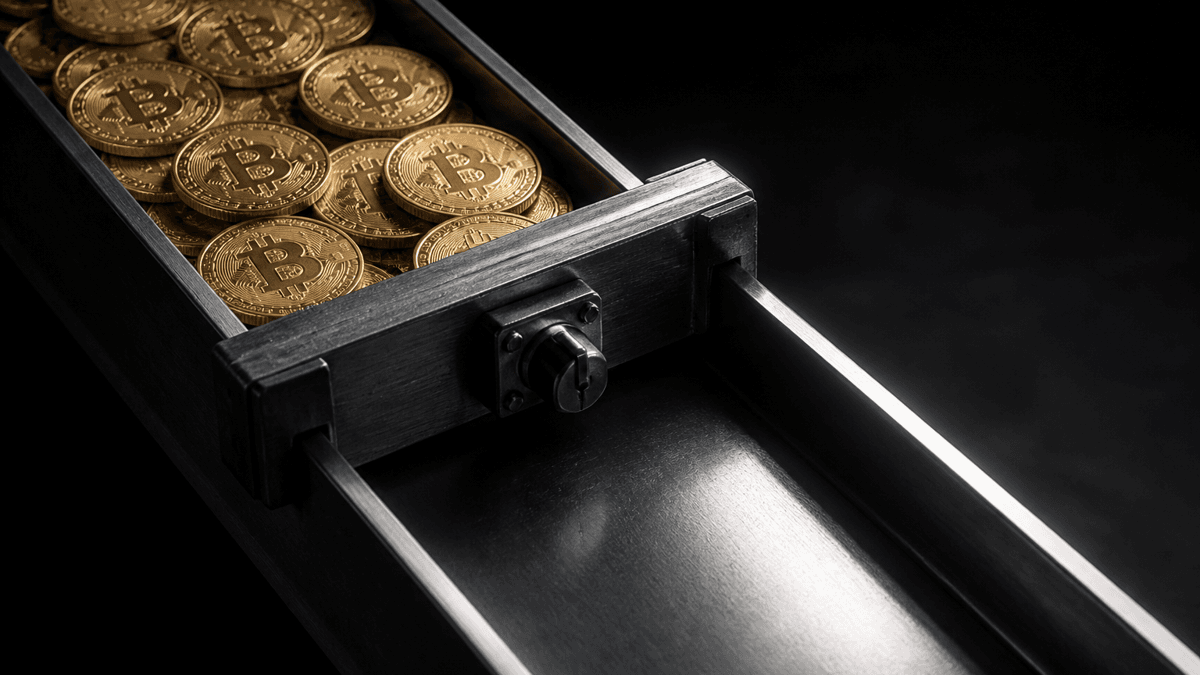
Washington is simultaneously waging an economic war on Tehran’s digital financial infrastructure, sanctioning Iranian crypto exchanges and freezing roughly $344 million in digital assets linked to sanctions evasion.
What happened and why it escalated
According to US Central Command, the retaliatory strikes targeted critical air defense systems across Iran. Trump’s self-described “20-to-1” response ratio is a deliberate signal that any Iranian aggression will be met with disproportionate force.
The 2026 Iran conflict traces back to joint US-Israeli operations that targeted Iranian leadership, resulting in the assassination of Supreme Leader Ayatollah Ali Khamenei. A temporary ceasefire had been in place since mid-2026, but Iranian forces continued disrupting maritime operations.
Roughly a fifth of the world’s oil supply passes through the Strait of Hormuz.
The crypto sanctions angle
In June 2026, Treasury sanctioned four Iranian digital asset exchanges, including Nobitex, Iran’s largest cryptocurrency exchange, for involvement in activities linked to the Islamic Revolutionary Guard Corps.
Approximately $344 million in Iranian digital assets tied to sanctions evasion have been frozen.
Washington is making it clear that circumventing sanctions through digital assets will be treated with the same seriousness as physical threats to US interests.
Disclosure: This article was edited by Editorial Team. For more information on how we create and review content, see our Editorial Policy.






 English (US) ·