
 1 month ago
35
1 month ago
35
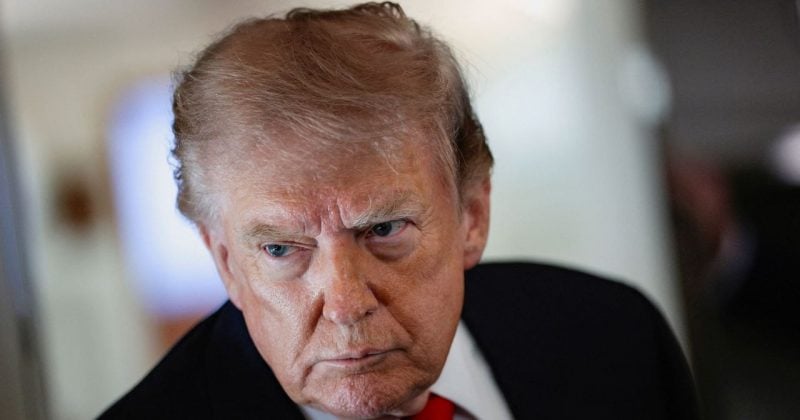
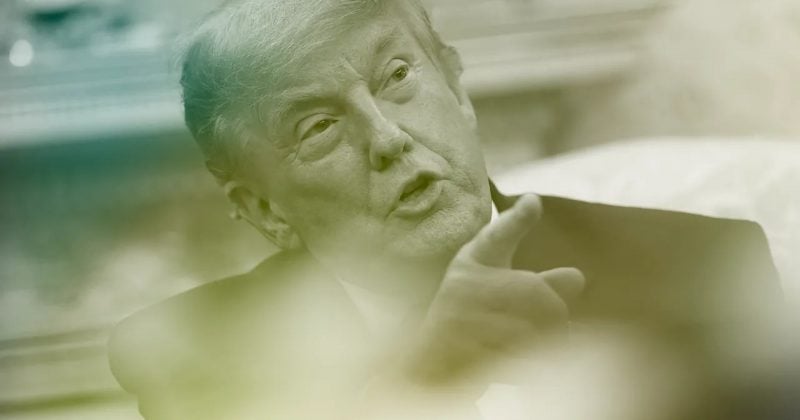
The US and Iran have reached an interim agreement that could reshape Middle Eastern geopolitics, global energy markets, and the regulatory landscape for crypto tied to sanctioned entities. President Donald Trump unveiled the details of a 14-point memorandum of understanding that, if fully executed, would go further than any prior US-Iran diplomatic framework in modern history.
The deal was agreed electronically around June 15, with a formal signing set for June 19 in Switzerland. And while Trump framed it as conditional on Iranian compliance, the scope of what’s on the table is staggering.
What’s actually in the deal
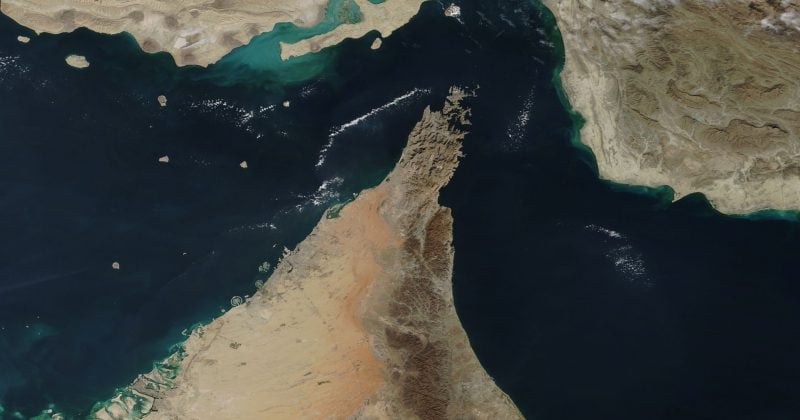
The memorandum addresses the fallout from a months-long conflict that escalated sharply after US and Israeli strikes on Iranian nuclear facilities in February 2026. At its core, the agreement mandates two simultaneous actions upon signing: Iran reopens the Strait of Hormuz for free oil transport, and the US lifts its naval blockade on Iranian ports.
From there, Iran would be allowed to sell oil and fuel freely, with sanctions on banking, transport, and insurance wiped away.
The agreement lays out a performance-based pathway for broader sanctions relief, tied to negotiations over Iran’s nuclear program scheduled across the following 60 days. This isn’t just a replay of the 2015 Joint Comprehensive Plan of Action. It goes significantly further.
The memorandum contemplates the complete cessation of US and UN sanctions on Iran, including those related to weapons programs and human rights. It also envisions a $300 billion reconstruction fund, backed by Gulf states, in exchange for Iran’s commitment to fully dismantle its nuclear weapons capabilities.
Trump stressed that Iran would not receive direct cash or any relief until compliance is verified.
Oil markets react, and crypto enforcement intensifies
Markets moved fast. Oil prices dropped to three-month lows on the prospect of Iranian crude flooding back into global supply. Stock markets saw positive movement as investors priced in reduced geopolitical risk.
The US has imposed sanctions on notable Iranian exchanges, including Nobitex, and has seized hundreds of millions of dollars in Iranian-associated crypto holdings. Estimates suggest the total seized or targeted could reach $1 billion. While diplomats were hashing out oil export terms in Switzerland, enforcement agencies were quietly dismantling Iran’s crypto infrastructure.
Historical context matters here
The JCPOA, negotiated under the Obama administration, was the last major US-Iran nuclear agreement. It offered limited sanctions relief in exchange for restrictions on Iran’s nuclear enrichment activities. Trump withdrew from that deal in 2018, reimposing and expanding sanctions that crushed Iran’s economy.
The current memorandum represents a fundamentally different architecture. Where the JCPOA was narrow, focused primarily on nuclear enrichment caps, this framework ties sanctions relief to a much broader set of conditions. The inclusion of weapons-related sanctions, human rights sanctions, and a massive reconstruction fund makes it the most comprehensive US-Iran diplomatic proposal in decades.
The February 2026 strikes on Iranian nuclear facilities created the urgency. With both sides having escalated to direct military action, the diplomatic off-ramp needed to be proportionally large.
What this means for investors
For crypto markets, the US government’s aggressive posture toward Iranian-associated digital assets suggests that sanctions enforcement in the crypto space is becoming more sophisticated. The seizure actions, potentially reaching $1 billion in Iranian-linked crypto, demonstrate that blockchain’s transparency makes it a potent tool for enforcement agencies hunting sanctions evasion.
The 60-day negotiation window for nuclear terms means this story is far from over. If talks collapse, sanctions snap back and oil prices reverse course. If they succeed, we’re looking at one of the largest geopolitical realignments of the decade.
Disclosure: This article was edited by Editorial Team. For more information on how we create and review content, see our Editorial Policy.






 English (US) ·