
 1 hour ago
1
1 hour ago
1
Washington has drawn a line in the sand, or more precisely, in the water. The United States issued Iran a Saturday deadline to declare the Strait of Hormuz fully open to international shipping or face unspecified consequences, escalating a confrontation that has already sent oil prices surging past $100 per barrel and, unexpectedly, placed cryptocurrency at the heart of a global geopolitical crisis.
The strait, a narrow waterway between Iran and the Arabian Peninsula, handles roughly 20% of all global oil trade.
The toll system nobody saw coming
Iran’s Islamic Revolutionary Guard Corps reportedly established a toll system in mid-March 2026, charging vessels up to $2 million each to transit the strait. That works out to roughly $1 per barrel of oil passing through.
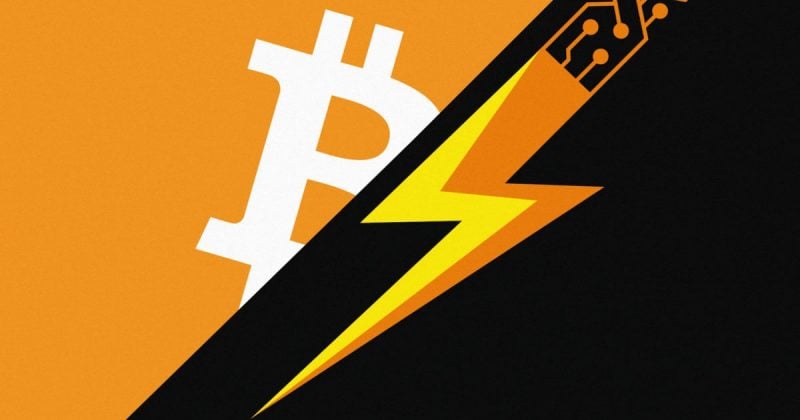
The payment methods accepted: Bitcoin, Tether (USDT), and Chinese yuan. No dollars, obviously.
It’s one of the first known instances of a government using cryptocurrency to manage maritime transit fees at scale. Crypto analytics firms have estimated that Iranian toll revenue from oil tankers alone could reach $20 million per day.
The toll system has drawn intense scrutiny from blockchain analytics firms tracking the flow of Bitcoin and USDT through wallets believed to be linked to the IRGC. For an organization already designated as a terrorist group by the US, the on-chain trail creates both intelligence opportunities and enforcement headaches for Treasury’s Office of Foreign Assets Control.
Military escalation and market chaos
US airstrikes hit Iranian targets on July 7-8, following allegations that Iran attacked shipping vessels in the strait, violating a previously established ceasefire.
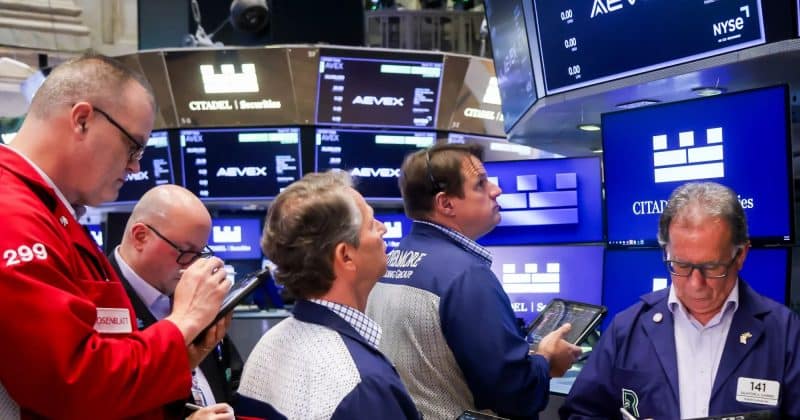
Up to 6,000 seafarers have been impacted by shipping standstills caused by the crisis. Oil’s move above $100 per barrel has already injected fresh volatility into global markets.
Iran is actively using Bitcoin and USDT as tools of statecraft, which increases transaction volume and puts political pressure on stablecoin issuers like Tether to address compliance questions.
US lawmakers have already been debating stablecoin legislation, and the revelation that USDT is being accepted by the IRGC for strait transit fees will almost certainly accelerate calls for stricter compliance requirements on stablecoin issuers.
Disclosure: This article was edited by Editorial Team. For more information on how we create and review content, see our Editorial Policy.










 English (US) ·