
 1 hour ago
3
1 hour ago
3
The United States has refused to share the full text of its newly signed memorandum of understanding with Iran, despite repeated Israeli requests to see it. Israeli officials have received briefings on the agreement, but not the actual document, a move that has drawn sharp criticism from Jerusalem.
The MOU, signed in mid-June 2026, is designed to de-escalate the conflict between the US and Iran that escalated into open hostilities earlier this year. Its core provisions include reopening the Strait of Hormuz and easing the US naval blockade on Iranian ports. The two countries now enter a 30-to-60-day technical negotiation period to hammer out the harder questions, including Iran’s nuclear program.
What Israel actually knows, and what it doesn’t
ABC News reported that Israeli officials have been briefed on the agreement’s broad contours. Israeli Prime Minister Benjamin Netanyahu has labeled the MOU a “bad deal” for Israel. Israeli ministers have gone further, rejecting any potential territorial withdrawals that might be included as part of the agreement’s framework.
The dynamic is reminiscent of the 2015 Joint Comprehensive Plan of Action, commonly known as the Iran nuclear deal. That agreement, which the US withdrew from in 2018 under the first Trump administration, also generated significant friction between Washington and Jerusalem. Netanyahu was one of its most vocal critics, famously delivering a theatrical PowerPoint presentation to the UN arguing that Iran had violated the deal’s spirit.
The Strait of Hormuz and why it matters for markets
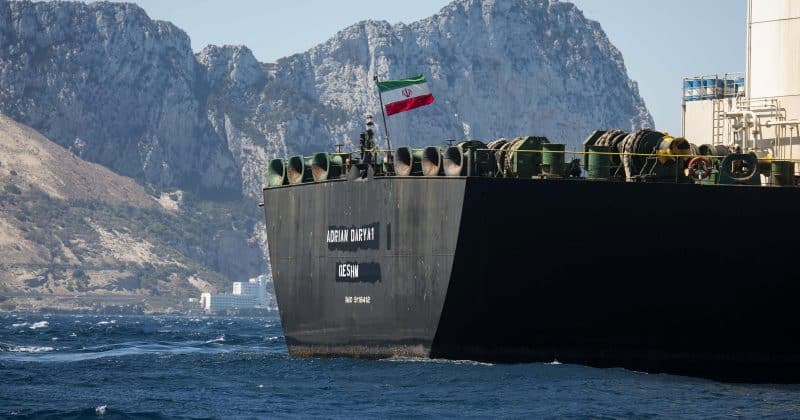
The Strait of Hormuz is the narrow waterway between Iran and Oman through which roughly one-fifth of the world’s daily oil supply passes. The MOU’s provision to reopen the Strait and ease the naval blockade on Iranian ports is, in market terms, a pressure valve. If the agreement holds through the negotiation period, it could meaningfully stabilize global energy prices that have been whipsawing since hostilities began.
What this means for crypto and broader risk sentiment
Periods of geopolitical uncertainty tend to increase stablecoin volumes as traders park capital in dollar-denominated digital assets while waiting for clarity. If the Iran deal unravels and oil prices spike, inflationary pressure could return to the conversation, which has historically been a tailwind for Bitcoin’s “digital gold” narrative.
Traders should watch two things closely. First, any concrete progress or breakdown during the 30-to-60-day negotiation period. Second, Israel’s response. The MOU is a one-page document trying to contain a multi-front conflict, and the country most affected by its outcome wasn’t allowed to read it.
Disclosure: This article was edited by Editorial Team. For more information on how we create and review content, see our Editorial Policy.












 English (US) ·