
 54 minutes ago
2
54 minutes ago
2
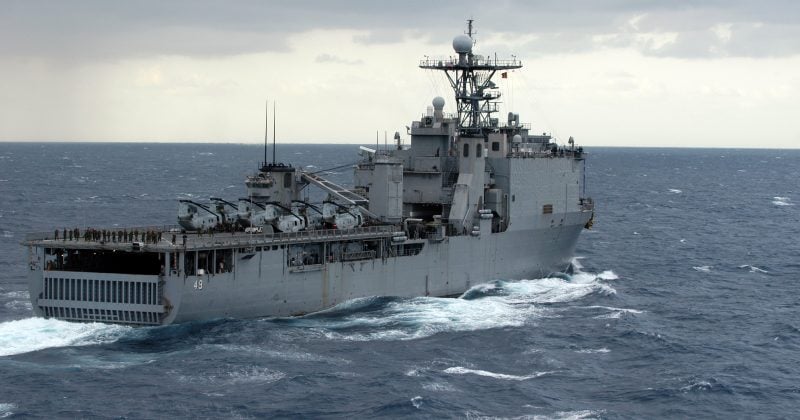
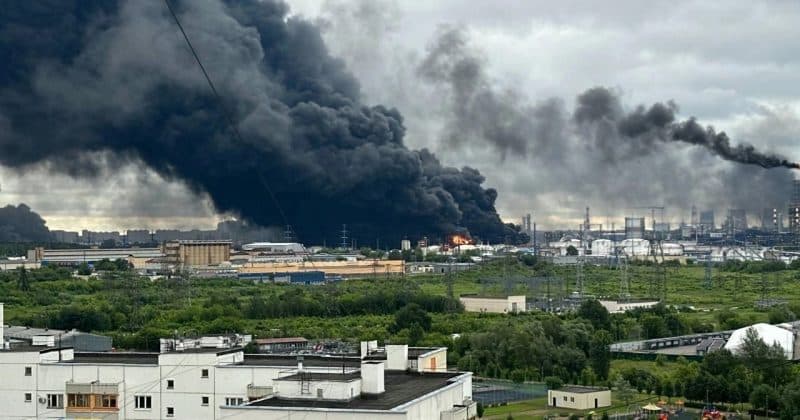
The United States has reportedly conducted airstrikes near Iran’s Gulf island of Qeshm, targeting Iranian coastal defense and missile infrastructure. This action comes amid a significant escalation in the 2026 Iran war, following the collapse of a ceasefire. In retaliation, Iran launched attacks on US allies in the Gulf, including facilities in Kuwait and Bahrain, indicating a broadening of the conflict. These developments around the Strait of Hormuz, a critical energy chokepoint, appear consistent with increased tensions and potential further military actions in the region.
Key Takeaways
- The escalation appears to increase the likelihood of further Iranian military actions against Gulf states, with market pricing reflecting heightened expectations.
- The situation suggests a rise in concerns about a potential US invasion of Iran, although it remains speculative without direct confirmation of such plans.
- The current military exchanges may indicate a shift towards broader regional conflict, impacting geopolitical stability and energy security.
What to Watch
Observers should monitor any further military engagements or diplomatic responses from key actors such as the United States and Iran, as well as Gulf states like Saudi Arabia and the UAE. Developments that could indicate an escalation include major attacks on US assets or new military operations in the Strait of Hormuz. Conversely, successful diplomatic interventions or ceasefire agreements could alter current market expectations, potentially reducing perceived risks of further conflict escalation.
Get live prediction-market analysis, powered by Vera. Sign up for Vera.
Disclosure: This article was edited by Estefano Gomez. For more information on how we create and review content, see our Editorial Policy.














 English (US) ·