
 2 hours ago
3
2 hours ago
3
US Central Command launched a sweeping military operation against roughly 90 Iranian military sites along Iran’s coastline near the Strait of Hormuz on July 7, 2026. The strikes represent the most significant direct US military action against Iran in recent memory, and they landed squarely on one of the most economically sensitive chokepoints on the planet.
The Strait of Hormuz handles approximately 20% of global oil and gas shipments.
What happened and why it matters
The US operation was a direct response to Iranian attacks on three commercial vessels transiting the Strait of Hormuz around July 6-7. Those attacks breached a fragile ceasefire that had been established in June 2026.
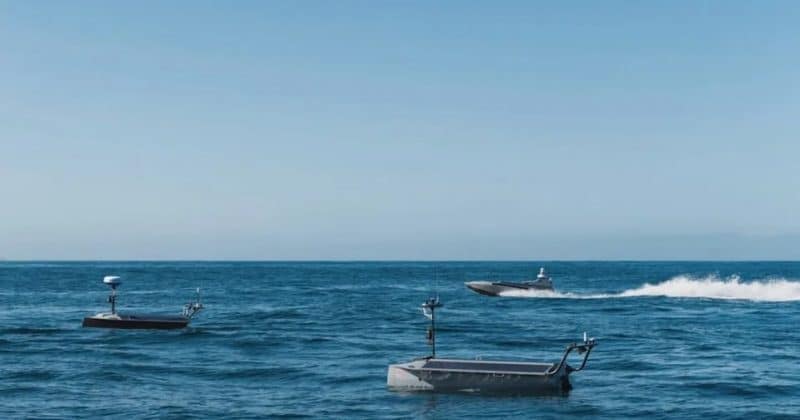
CENTCOM targeted more than 80 military sites, including air defense systems, radar installations, command networks, and anti-ship missile positions. Over 60 small boats belonging to Iran’s Islamic Revolutionary Guard Corps were also hit in the operation.
The locations struck included strategic positions on Qeshm Island, Bandar Abbas, and Sirik.
Iran claimed it retaliated by targeting approximately 85 US military sites in Bahrain and Kuwait. US officials noted that their facilities suffered no significant casualties or damage.
Prior US strikes on Kharg Island in March 2026 targeted over 90 military sites while deliberately sparing oil infrastructure.
The crypto and market connection
The US has already reimposed sanctions on Iranian oil sales in response to the broader conflict. That takes supply off the market at a time when OPEC+ production decisions are already under scrutiny.
Broader context and escalation risks
The current hostilities trace back to a pattern of military engagements between the US and Iran dating to 2025. What started as tit-for-tat proxy skirmishes has evolved into direct military confrontation, with the June 2026 ceasefire proving to be little more than a pause button.
The US strategy appears focused on precision degradation of Iran’s operational capabilities rather than broader regime-targeting operations. By hitting radar, command networks, and the IRGC’s small-boat fleet, CENTCOM is systematically dismantling Iran’s ability to harass commercial shipping. The fact that oil infrastructure has been deliberately excluded from targeting packages suggests Washington is acutely aware of the market consequences.
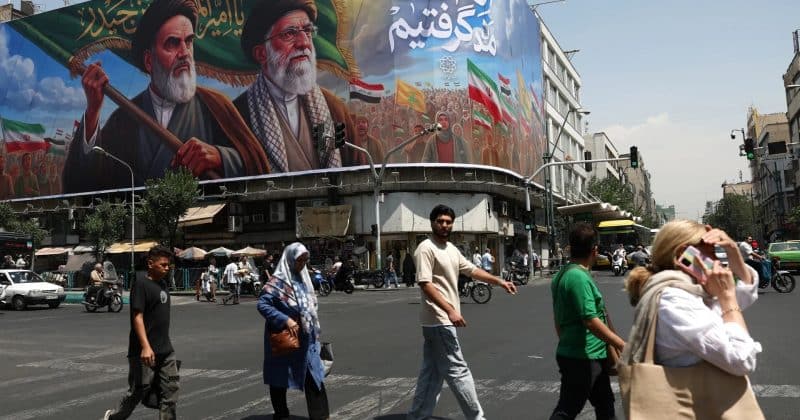
Iranian media reported explosions across coastal areas, though Tehran’s official response has been relatively measured compared to the scale of the strikes.
What crypto investors should watch
The third, and potentially most important, variable is the sanctions regime. Reimposed sanctions on Iranian oil don’t just affect crude markets. They also affect the shadow financial networks that Iran uses to move money, networks that have historically intersected with crypto infrastructure. Increased sanctions enforcement could mean heightened regulatory scrutiny on crypto exchanges and DeFi protocols that touch sanctioned jurisdictions.
Disclosure: This article was edited by Editorial Team. For more information on how we create and review content, see our Editorial Policy.











 English (US) ·