
 2 hours ago
2
2 hours ago
2
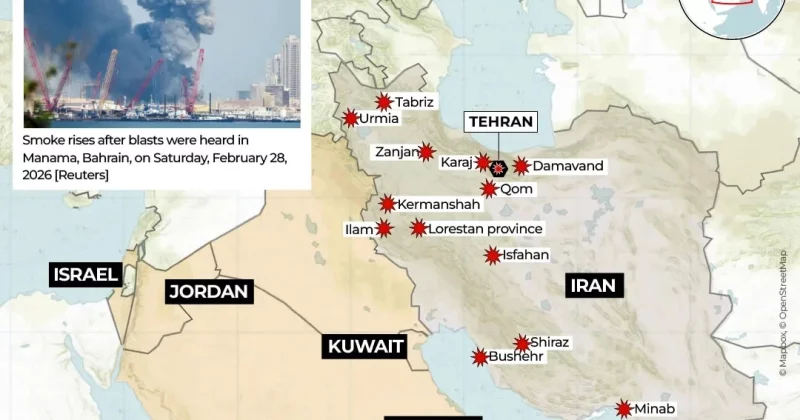
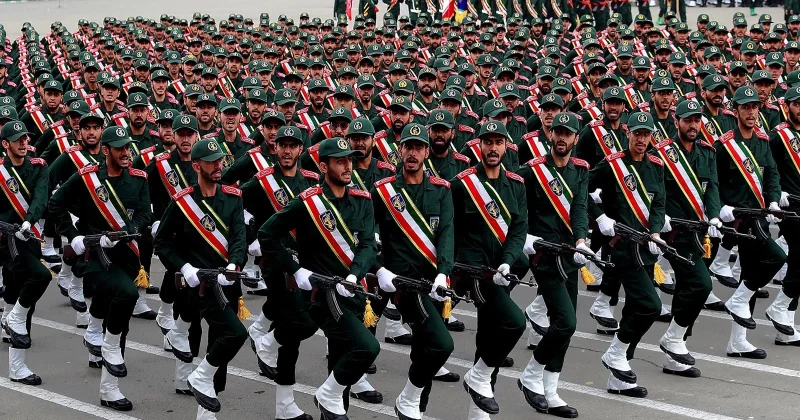
US forces struck Iranian targets near the Strait of Hormuz on May 28, and Iran struck back. The exchange came hours after reports of a potential Oman-mediated ceasefire deal were publicly dismissed by President Trump, who simultaneously claimed negotiations were still ongoing.
Bitcoin responded by sliding below $73,000, dragging roughly $1 billion worth of leveraged positions into liquidation. Ether, Solana, and XRP each fell in the range of 3-4%. The crypto market, it turns out, does not love kinetic warfare near the chokepoint that handles about 20% of the world’s oil supply.
How we got here
The broader conflict traces back to February 28, 2026, when joint US-Israel airstrikes killed Iranian Supreme Leader Ali Khamenei. Iran’s response was to effectively close the Strait of Hormuz to commercial shipping, a move that immediately reshaped global energy markets and sent oil prices surging.
A fragile ceasefire was established in April, offering a brief window of calm. Negotiations shifted to Doha, where mediators attempted to broker something more durable. The May 28 strikes represent a clear intensification, with both sides trading blows and mutual accusations rather than concessions. The Doha talks are technically ongoing, but the diplomatic runway is getting shorter by the day.
What the crypto selloff actually looks like
Bitcoin’s drop below $73,000 is notable because it marks one of the sharper single-day declines of 2026. The approximately $1 billion in liquidations underscores just how much leverage had built up in the system during the April ceasefire window.
The broader altcoin market followed Bitcoin’s lead. Ether, Solana, and XRP all posted losses in the 3-4% range. That kind of correlated decline across major tokens typically signals a risk-off move rather than any token-specific news.
Oil prices, meanwhile, climbed on the news. Rising energy costs increase the operational expense of mining and running validator infrastructure, while simultaneously souring the macro sentiment that crypto needs to attract fresh capital.
What this means for investors
The fundamental question for crypto markets right now isn’t about on-chain metrics or ETF flows. It’s about whether the Strait of Hormuz reopens to commercial traffic in any meaningful timeframe. As long as that waterway remains restricted, oil stays elevated, inflation expectations stay elevated, and risk assets, crypto included, trade under a persistent cloud.
What to watch next is straightforward: the Doha negotiations. If mediators can resurrect even a partial framework for de-escalation, expect a sharp relief bounce across crypto. If the talks collapse entirely, the floor beneath $73,000 may not hold.
Disclosure: This article was edited by Editorial Team. For more information on how we create and review content, see our Editorial Policy.








 English (US) ·