
 1 month ago
29
1 month ago
29
The United States and Iran are sitting down at the same table in Switzerland this weekend, opening what both sides are calling the first serious push toward a permanent peace deal. The setting is the Bürgenstock resort, a venue that has hosted high-stakes diplomacy before, and the stakes this time are about as high as they get.
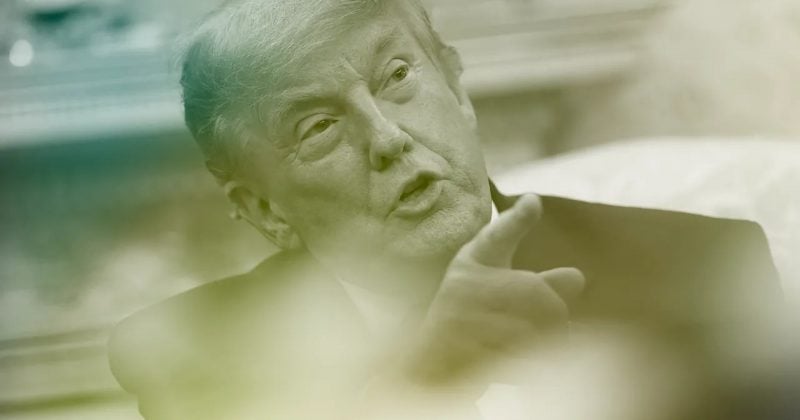
The talks, scheduled for June 21-22, follow the electronic signing of a 14-point memorandum of understanding finalized around June 17 between US President Donald Trump and Iranian President Masoud Pezeshkian. That MoU establishes a 60-day window to hash out some of the most contentious geopolitical issues on the planet: Iran’s nuclear program, sanctions relief, and the military confrontations that have kept the Middle East on edge for decades.
What’s on the table
The negotiating agenda reads like a greatest hits of unresolved US-Iran tension. Nuclear verification tops the list, a perennial sticking point that has torpedoed previous diplomatic efforts dating back to the Obama era.
Then there’s the question of sanctions waivers on Iranian oil exports, which directly affects global energy supply and, by extension, the price you pay to fill your gas tank. And perhaps most ambitiously, the two sides are discussing a proposed reconstruction fund estimated at $300 billion, designed to rejuvenate Iran’s battered economy.
The US delegation is not exactly low-profile. Vice President JD Vance is expected to be involved, alongside envoys Jared Kushner and Steve Witkoff. Iran’s side is led by Parliament Speaker Mohammad Bagher Ghalibaf. Pakistan and Qatar are serving as mediators.
The messy road to Bürgenstock
The talks were originally slated for June 19 but got pushed back, a delay that rattled markets. The postponement was driven partly by regional flare-ups that refuse to stay contained. Clashes between Israel and Hezbollah added fresh combustion to an already volatile situation. Iranian military activity in the Strait of Hormuz, one of the world’s most critical oil chokepoints, didn’t help calm nerves either.
The 2015 Joint Comprehensive Plan of Action, better known as the Iran nuclear deal, was supposed to be the framework for lasting detente. The US withdrew from it in 2018. Multiple rounds of indirect talks in Vienna during 2021 and 2022 went nowhere definitive.
What makes this round different, at least on paper, is the formal MoU structure with a defined timeline. The 60-day clock creates urgency, though whether that translates to actual progress remains an open question.
What this means for crypto and risk assets
When the initial outlines of a potential deal surfaced earlier this month, risk assets responded predictably. Bitcoin traded above $65K as optimism rippled through markets.
But the delay from June 19 to June 21-22 introduced fresh volatility, diluting the optimistic momentum that had been building.
The $300 billion reconstruction fund, if it materializes, would represent one of the largest economic development commitments in recent diplomatic history. That figure exceeds the GDP of most mid-sized nations.
Sanctions relief on Iranian oil is the variable that traditional energy investors are watching most closely. Iran sits on some of the world’s largest proven oil reserves, and bringing that supply fully back online would exert downward pressure on crude prices.
Disclosure: This article was edited by Editorial Team. For more information on how we create and review content, see our Editorial Policy.


 English (US) ·