
 1 month ago
36
1 month ago
36
The United States and Iran sat down at the negotiating table on June 21 at the Bürgenstock resort in Switzerland, kicking off what both sides have framed as the most consequential round of diplomacy between the two countries in years. Vice President JD Vance is leading the American side. Iran’s delegation is headed by Speaker of Parliament Mohammad Bagher Ghalibaf.
Qatar and Pakistan are serving as mediators, a dual-facilitator arrangement that underscores just how many regional interests are tangled up in this one set of talks. The goal: hammering out progress on an interim peace deal while the window for diplomacy is still open.
What’s on the table
The agenda reads like a greatest-hits compilation of Middle Eastern geopolitical flashpoints. Iran’s nuclear program. A ceasefire in Lebanon. Reopening the Strait of Hormuz. Lifting US sanctions on Iranian oil exports. Unfreezing Iranian assets held overseas.
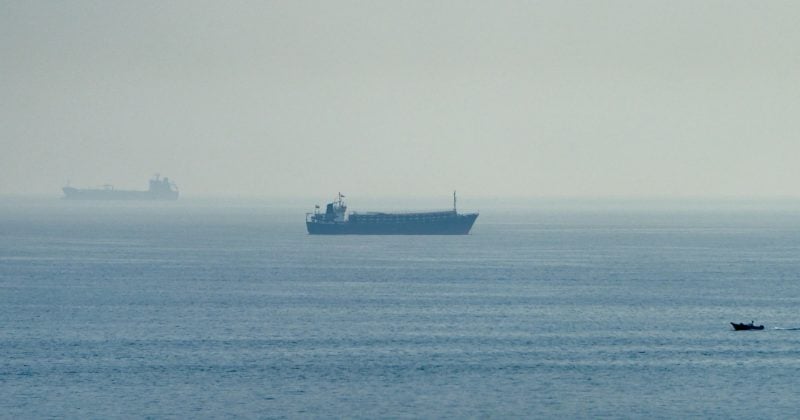
That last item, the Strait of Hormuz, is arguably the most market-sensitive issue on the list. Iran has kept the strait closed as a direct protest over the ongoing conflict in Lebanon, effectively choking one of the world’s most critical shipping lanes for oil.
Here’s the thing: roughly a fifth of the world’s petroleum passes through that narrow waterway on any given day. Its closure has been sending shockwaves through global energy markets for weeks, and any resolution, or lack thereof, coming out of Bürgenstock will reverberate far beyond the conference room.
The American delegation isn’t just Vance. Special envoys Steve Witkoff and Jared Kushner are also at the table, a lineup that signals Washington is treating these talks with maximum seriousness.
The broader context
Qatar has long positioned itself as a back-channel broker in Middle Eastern disputes, maintaining relationships with actors that the US often cannot or will not engage with directly. Pakistan brings its own set of relationships with Iran, including a shared border and deep economic ties that give it credibility as an honest broker.
What this means for markets
The most immediate transmission mechanism is oil. If these talks produce meaningful progress on reopening the Strait of Hormuz, energy prices could drop significantly. Cheaper oil tends to cool inflation expectations, which in turn influences central bank rate decisions. Rate decisions move bond yields, which move risk appetite, which moves crypto.
The sanctions angle matters too. Any loosening of restrictions on Iranian oil exports would increase global supply, putting further downward pressure on crude prices.
There’s also the frozen-assets dimension to watch. How unfreezing is structured, whether through traditional banking channels or alternative mechanisms, could set precedents that eventually touch the digital asset space. Countries under sanctions have historically shown interest in crypto as a workaround, and any framework that addresses asset accessibility will be scrutinized by regulators worldwide.
Disclosure: This article was edited by Editorial Team. For more information on how we create and review content, see our Editorial Policy.




 English (US) ·