
 2 hours ago
1
2 hours ago
1
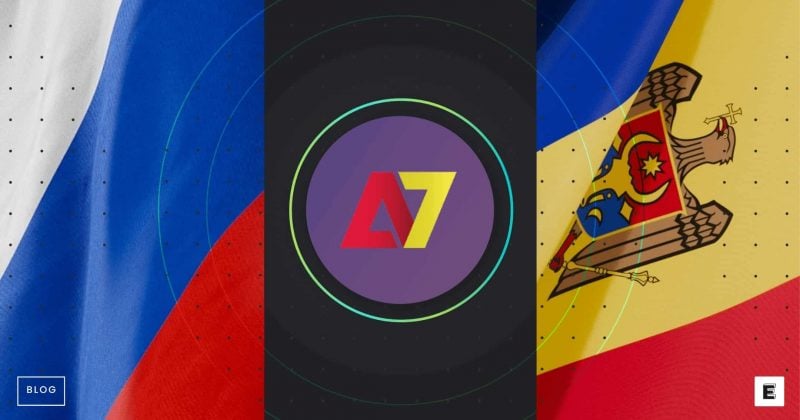
The UK government just dropped its latest sanctions hammer, and this time a major crypto exchange is caught in the blast radius. Huobi, operating under its HTX rebrand, has been designated alongside 17 other individuals and entities connected to what British officials call the “A7 network,” a sprawling shadow financial system allegedly used to funnel money toward Russia’s war efforts in Ukraine.
The A7 network reportedly facilitated over $90 billion in transactions during 2025 alone. To put that in perspective, that figure represents nearly half of Russia’s total military spending.
What the sanctions actually target
The May 26 sanctions package goes well beyond crypto. Britain expanded trade restrictions to cover uranium imports, certain chemicals, and LNG maritime services, while maintaining limited licensing for processed oil products.
Foreign Secretary Yvette Cooper framed the move as a necessary evolution. Sanctions regimes that worked in 2022 look increasingly outdated when adversaries adapt through crypto networks and shell companies.
This latest round brings the UK’s total sanctions tally against Russia to over 3,300 designated individuals and entities. British officials estimate these measures have collectively inflicted around $450 billion in losses on the Russian war economy.
Energy support for Ukraine
The sanctions announcement came paired with a significant energy commitment. The UK has now pledged over £490 million toward Ukraine’s energy security, with £173 million earmarked specifically for the Ukraine Energy Support Fund.
Since September 2025, an additional £87 million has been directed toward repairing Ukraine’s battered electricity network and strengthening defenses against Russian attacks on energy infrastructure.
What this means for crypto investors
The immediate market reaction to these sanctions was minimal. No major token experienced a dramatic sell-off, and trading volumes didn’t spike in any unusual way.
When a G7 government formally designates a crypto exchange as part of a war-financing network, it sends a regulatory signal that reverberates well beyond British borders. Other jurisdictions tend to follow suit, either through their own sanctions or through increased compliance pressure on domestic platforms that interact with designated entities.
Disclosure: This article was edited by Editorial Team. For more information on how we create and review content, see our Editorial Policy.









 English (US) ·