
 1 hour ago
2
1 hour ago
2
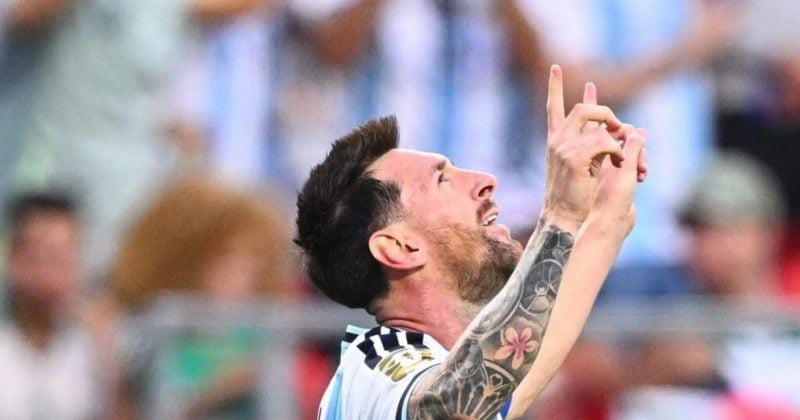
Outgoing UK Prime Minister Keir Starmer had some fun on social media after England knocked Norway out of the World Cup quarterfinals with a 2-1 victory. Jude Bellingham scored both goals, prompting Starmer to tag Norwegian PM Jonas Gahr Støre with a message that was equal parts victory lap and diplomatic ribbing: “Norway 1 – 2 Jude Bellingham. @JonasGahrStore, your boys took one hell of beating.”
The football moment, briefly
England’s quarterfinal win came on July 9-10, 2026, with Bellingham scoring both goals. The banter between Starmer and Støre coincided with both leaders being near each other at the NATO summit in Ankara, Turkey. Starmer, who announced his resignation as Prime Minister on June 22, 2026, has been operating in a lame-duck capacity. He even floated the idea of an extra bank holiday for UK citizens if England wins the entire tournament.
Starmer’s real crypto legacy: banning digital donations
Back in March 2026, Starmer announced a temporary ban on cryptocurrency donations to UK political parties. The stated rationale was mitigating the risk of foreign financial interference in British politics. Traditional donation rules require clear identification of donors, their nationality, and their funding sources.
Why crypto markets didn’t flinch at a football match
Major crypto news outlets including CoinDesk and The Block didn’t cover the match or Starmer’s social media post. Crypto markets respond to monetary policy signals, regulatory developments, exchange-level events, and macroeconomic data.
What investors should actually watch
Starmer’s departure from 10 Downing Street creates a genuine variable for crypto markets. The temporary ban on crypto donations raises an obvious question: will Starmer’s successor make it permanent, expand it, or quietly let it expire? The Ankara NATO summit, while publicly about defense and geopolitics, brought world leaders together for discussions about financial regulation, sanctions enforcement, and cross-border payment systems where crypto’s role has grown substantially.
Disclosure: This article was edited by Editorial Team. For more information on how we create and review content, see our Editorial Policy.










 English (US) ·