
 1 month ago
35
1 month ago
35
The UAE is building a second major oil pipeline to the coast of Fujairah, aiming to functionally eliminate its need to ship crude through the Strait of Hormuz. The so-called West-East Pipeline is being fast-tracked for operations by 2027, a timeline that suddenly feels urgent given the regional conflicts that have choked the strait throughout 2026.
Abu Dhabi Crown Prince Sheikh Khaled bin Mohamed bin Zayed personally directed the acceleration of construction during an executive committee meeting in May 2026.
What the pipeline actually changes
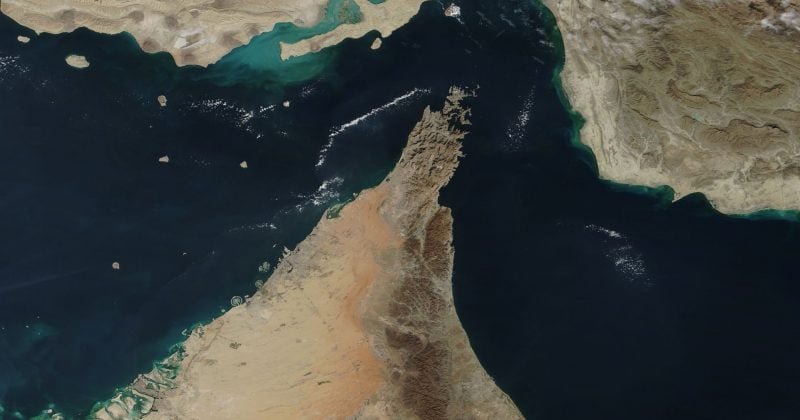
The Strait of Hormuz is the narrow waterway between Iran and Oman through which roughly 20 million barrels per day flow. That’s about 20% of the world’s seaborne oil trade squeezing through a corridor you could almost see across on a clear day.
The UAE already has one bypass route: the Abu Dhabi Crude Oil Pipeline, also known as ADCOP or the Habshan-Fujairah pipeline. It moves approximately 1.5 to 1.8 million barrels per day from Abu Dhabi’s onshore fields directly to the port of Fujairah on the Gulf of Oman, completely sidestepping the strait.
The new West-East Pipeline would essentially double that bypass capacity. ADNOC, the state oil company, is simultaneously targeting a total production capacity of 5 million barrels per day by 2027. The expanded Fujairah pipeline network is designed to support the offtake of both onshore and offshore oil grades, meaning this isn’t just a security project. It’s an infrastructure backbone for ADNOC’s growth ambitions.
The timing is not coincidental. The UAE recently departed OPEC, freeing it from the cartel’s production quotas. Without those constraints, Abu Dhabi can pump as much as its fields and infrastructure allow, and the new pipeline ensures that extra crude has a safe route to market.
Why the strait matters beyond oil
Saudi Arabia also has some bypass capacity through its East-West Pipeline, but the combined alternative routes of both Gulf states remain considerably less than the total volume that transits the strait daily. Officials have been careful to frame this as reducing reliance rather than achieving complete independence in the near term.
What this means for investors
The risk to watch is execution. Pipeline megaprojects have a well-documented history of delays, cost overruns, and political complications. The 2027 timeline is ambitious, and any slippage would leave the UAE more exposed during a period when the strait remains contested.
Disclosure: This article was edited by Editorial Team. For more information on how we create and review content, see our Editorial Policy.












 English (US) ·