
 1 month ago
35
1 month ago
35
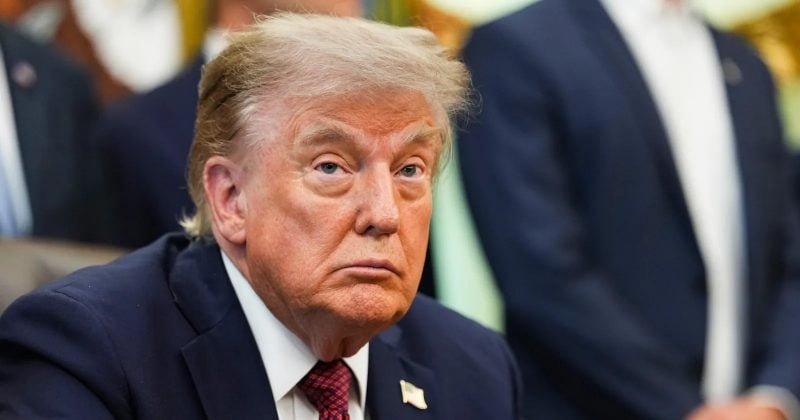
President Trump delivered a blunt ultimatum to Iran: reach a nuclear deal or face renewed military strikes. The warning comes after months of US-Israeli military operations against Iranian targets and fragile negotiations that appear to be losing momentum.
Trump said negotiations are “proceeding nicely” but made clear that a return to armed conflict remains the default outcome if talks collapse. The core demands are straightforward: Iran must permanently abandon its nuclear weapons program and reopen the Strait of Hormuz to free navigation.
The Strait of Hormuz as a bargaining chip
Roughly 20% of the world’s oil passes through this narrow waterway between Iran and Oman.
Trump has framed the strait as a centerpiece of any potential agreement, promising that passage would be toll-free and that the waterway would reopen immediately upon a deal being struck. A proposed timeline floated during May 2026 negotiations suggested the strait would reopen within a month of any agreement.
Iran rejected that proposal. The sticking point: Tehran wants full guarantees before making concessions, and the US side hasn’t offered terms that satisfy that demand.
Military readiness and escalation history
US Defense Secretary Pete Hegseth stated that Washington is “more than capable” of resuming military action, pointing to significant military stockpiles already in the region.
The conflict has been active since February 2026, when US-Israeli strikes on Iranian targets began. Those operations escalated tensions to a level not seen in years, creating the pressure that brought Iran to the negotiating table in the first place.
What this means for markets and investors
When the Strait of Hormuz is threatened, oil prices spike. When oil prices spike, inflation expectations shift. When inflation expectations shift, risk assets, including crypto, react.
A breakdown in negotiations would likely trigger resumed military operations in one of the world’s most strategically important energy corridors, sending oil prices sharply higher on supply fears. Higher energy costs feed into broader inflation, which in turn influences central bank policy and the appetite for speculative assets.
Energy commodity traders have already been pricing in elevated risk premiums. The variable to watch isn’t Trump’s rhetoric, which has been consistently hawkish. It’s Iran’s response: if Tehran continues to reject proposals that lack comprehensive guarantees, the path toward resumed military action becomes the more likely outcome.
Disclosure: This article was edited by Editorial Team. For more information on how we create and review content, see our Editorial Policy.












 English (US) ·