
 1 hour ago
1
1 hour ago
1
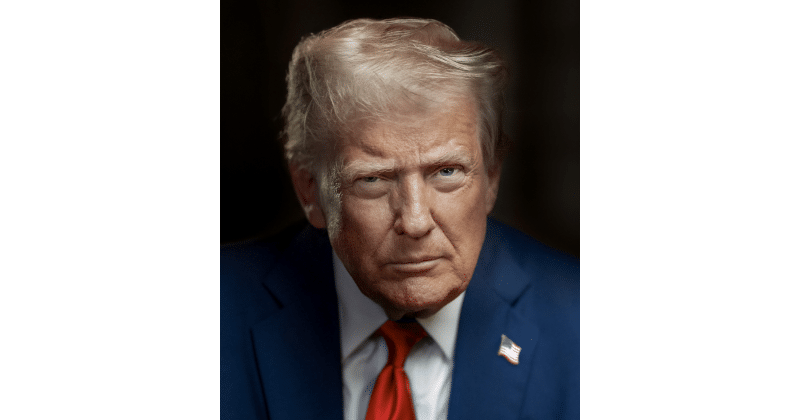
President Donald Trump announced on June 14 that the United States will shift its diplomatic attention back to ending Russia’s war in Ukraine, now that the Iran crisis appears to be cooling. Trump said he held “very good” calls with both Russian President Vladimir Putin and Ukrainian President Volodymyr Zelensky, claiming both leaders are open to peace talks.
Bitcoin climbed alongside global equities on news of potential de-escalation across two of the world’s most consequential geopolitical flashpoints.
What happened and why it matters now
The Iran situation had consumed the bulk of US diplomatic bandwidth for several months heading into mid-2026. That included negotiations around reopening the Strait of Hormuz, a chokepoint for roughly a fifth of the world’s oil supply. With that crisis appearing to stabilize, Trump signaled a pivot back to the conflict that has dragged on since Russia’s 2022 invasion of Ukraine.
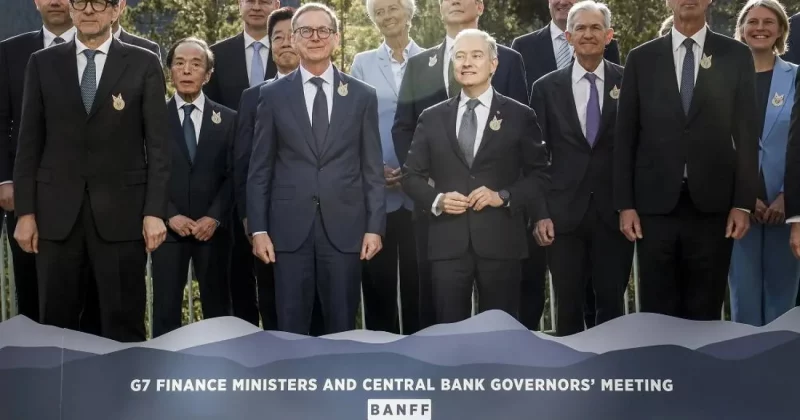
During the June 14 calls, which fell on Trump’s 80th birthday, Zelensky reportedly briefed Trump on Ukraine’s improved defensive capabilities. The Ukrainian president also pushed for immediate peace dialogues, with particular urgency given the upcoming G7 summit.
The crypto angle: sanctions, seizures, and sentiment
US actions have resulted in freezing approximately $7.7 billion in Iranian-associated crypto assets. That figure underscores how central digital currencies have become to sanctions enforcement, and sanctions evasion, in modern geopolitical conflicts. Russia, Iran, and their proxies have all been flagged for using crypto to circumvent Western financial restrictions.
Global equities rose alongside Bitcoin following the de-escalation signals.
What this means for investors
The $7.7 billion in frozen Iranian crypto assets represents a significant portion of enforcement activity. Any diplomatic agreements that involve unwinding or restructuring sanctions could release capital back into crypto markets, or alternatively, could tighten enforcement mechanisms in ways that affect privacy-focused protocols and decentralized exchanges.
Bitcoin miners, who are acutely sensitive to energy costs, would be direct beneficiaries of a more stable energy pricing environment should a functioning Strait of Hormuz combine with a potential Ukraine ceasefire to ease pressure on global energy supply.
For traders, the key metric to watch is whether Bitcoin maintains its correlation with traditional risk assets during this diplomatic window, or decouples. A sustained rally in both equities and crypto on peace progress would suggest the market is pricing in genuine de-escalation. A divergence, where Bitcoin rises while equities stall or vice versa, would signal that the market sees the diplomatic progress as more fragile than headlines suggest.
Disclosure: This article was edited by Editorial Team. For more information on how we create and review content, see our Editorial Policy.










 English (US) ·