
 1 month ago
34
1 month ago
34
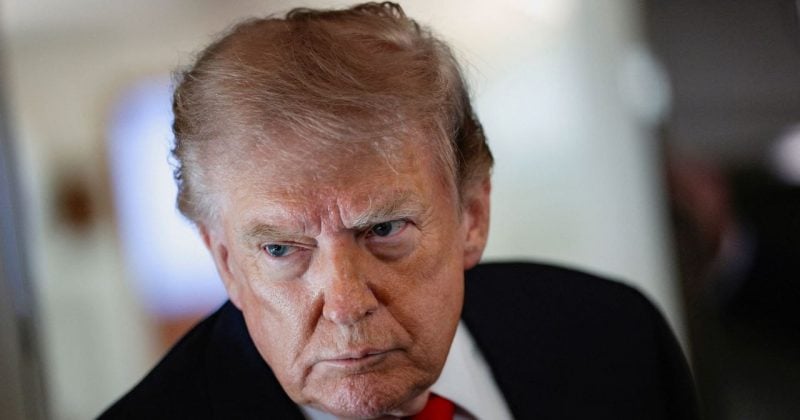
President Trump announced on Monday that ships are beginning to move through the Strait of Hormuz, with a full reopening expected by Friday, June 19. The declaration follows a ceasefire agreement with Iran signed over the weekend that ends the US naval blockade and restores toll-free passage through the waterway.
Here’s the thing about the Strait of Hormuz: roughly 20-25% of the world’s oil trade passes through it. It has been largely closed since late February 2026.
What happened and why it matters
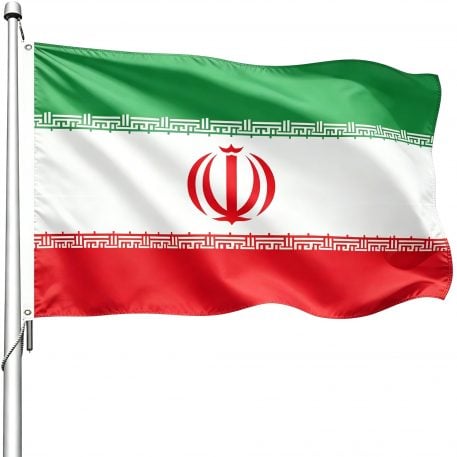
The agreement, finalized around June 15, includes a 60-day window for renewed nuclear negotiations with Iran. During that period, ships can transit the strait without tolls, and the US has begun a partial removal of its naval blockade of Iranian ports.
Trump’s language was characteristically confident: ships “are starting to move,” and full operations would resume within days. Oil markets responded swiftly, with prices dropping to their lowest levels since early March 2026, when the crisis was still escalating.
The Strait of Hormuz crisis traces back to military actions by the US and Israel against Iran earlier this year. Iran responded with threats and ultimately restricted passage through the strait, choking off a shipping lane that connects the Persian Gulf to the open ocean.
The skeptics have a point
Not everyone shares Trump’s optimism about the Friday timeline. Industry experts have raised practical concerns about how quickly commercial shipping can actually resume at full capacity.
The primary issue is mine clearance. During the months of military escalation, the waters around the strait became a hazard zone. Clearing those waters to a standard safe enough for commercial vessels, especially massive oil tankers, is not a weekend project. It requires careful surveying, specialized equipment, and time.
Then there are escort protocols. Even after mines are cleared, ships transiting the strait will likely need naval escorts for some period. Coordinating those escorts across dozens of daily transits is a logistical puzzle that doesn’t solve itself just because a deal gets signed.
What this means for markets and investors
The immediate market reaction has been a relief trade. Oil prices falling to their lowest point since early March 2026 reflects a repricing of geopolitical risk that had been baked into every barrel for months.
But the 60-day framework of the agreement introduces its own uncertainty. This is not a permanent resolution. It is a ceasefire tied to nuclear negotiations. If talks collapse in August, the strait could be right back in the headlines.
Traders should be watching three things over the next week: the actual pace of ship transits through the strait, any reports of incidents or delays related to mine clearance, and the tone of early nuclear negotiations.
Disclosure: This article was edited by Editorial Team. For more information on how we create and review content, see our Editorial Policy.












 English (US) ·