
 1 hour ago
1
1 hour ago
1
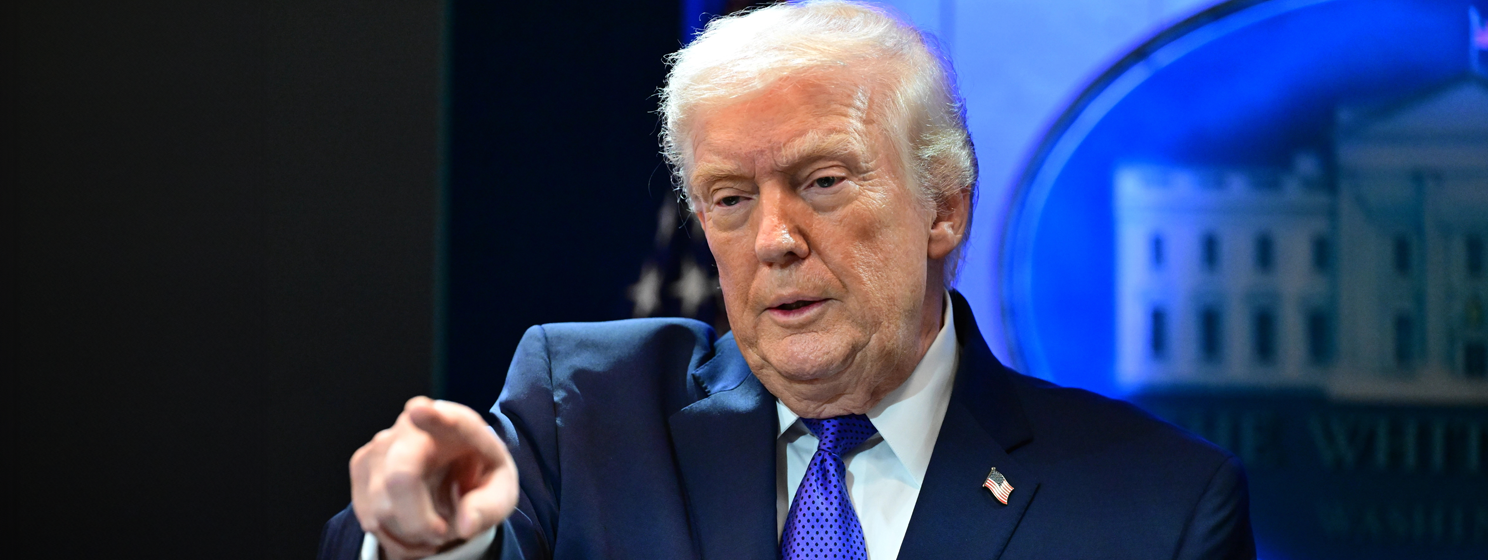
President Trump declared the US the “Guardian of the Hormuz Strait” on July 13, announcing a 20% fee on the value of all cargo transiting the waterway. Crypto markets promptly shed over $20 billion in value.
The Strait of Hormuz is essentially the world’s most important bottleneck. Roughly one-fifth of the global oil supply passes through it daily.
What Trump is actually proposing
The announcement, made via Truth Social and amplified through Fox News interviews, frames the fee as reimbursement for US naval security operations in the region.
Alongside the toll, Trump confirmed the reinstatement of a naval blockade on Iranian vessels while pledging “fair use” access for other nations’ shipping traffic. The move comes amid escalating US-Iran military tensions that have already included retaliatory strikes between the two countries.
Oil prices reacted exactly how you’d expect. Crude jumped approximately $16 per barrel following the announcement.
Iran’s foreign minister responded by calling the 20% fee “too much.” The fee structure and collection methods remain undefined.
Earlier in 2026, similar toll concepts surfaced during ceasefire negotiations between the US and Iran. Iran itself had floated its own version, a $1 per barrel toll that would notably accept crypto payments, specifically Bitcoin, as a way to sidestep sanctions. Trump’s version is considerably more expensive.
Why crypto markets care about an oil shipping lane
The $20 billion wipeout from crypto markets is a textbook risk-off reaction. When oil prices surge on geopolitical instability, institutional investors pull capital from volatile assets first. Crypto sits squarely at the top of that list.
The chain of logic runs like this: higher oil prices feed into inflation expectations. Inflation expectations make central banks less likely to cut rates. Tighter monetary policy reduces liquidity. Reduced liquidity hurts speculative assets. Bitcoin and altcoins take the hit.
The Iran-crypto connection worth watching
One of the more interesting threads buried in this story is Iran’s earlier proposal to accept Bitcoin as payment for its own Hormuz toll concept. That plan, which predated Trump’s announcement, was explicitly designed to circumvent US sanctions by using cryptocurrency’s borderless payment rails.
Disclosure: This article was edited by Editorial Team. For more information on how we create and review content, see our Editorial Policy.













 English (US) ·