
 1 hour ago
1
1 hour ago
1
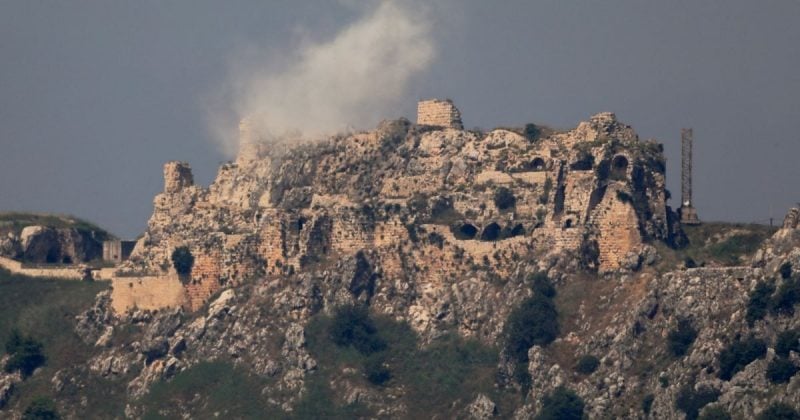
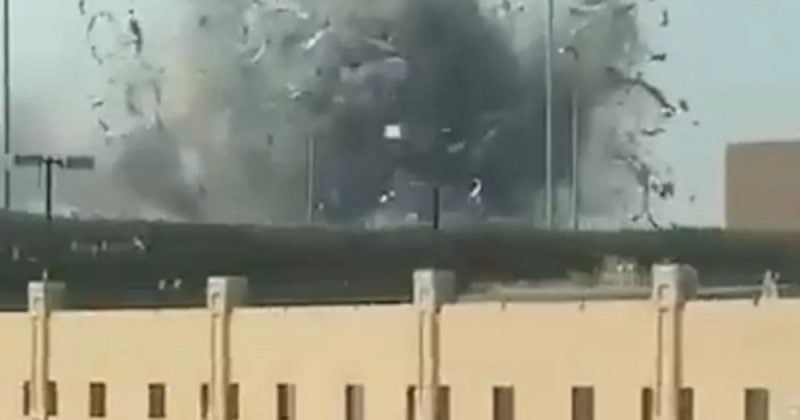
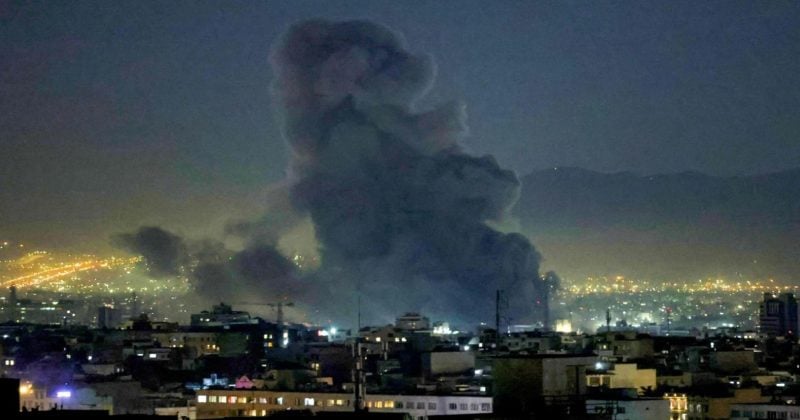
The U.S. Ambassador to NATO, Matthew Whitaker, announced that President Donald Trump is prepared to use “overwhelming force” against Iran, following recent escalations in the ongoing conflict. This statement comes amid heightened military activities, with the U.S. having resumed offensive strikes against Iranian targets in retaliation for attacks in the Strait of Hormuz. The rhetoric appears linked to an alleged assassination plot against President Trump, reportedly shared by Israel, which may suggest a more aggressive military stance by the U.S. This development occurs as the U.S., Israel, and Iran continue their active conflict, which began earlier in 2026 after a ceasefire agreement fell apart.
Key Takeaways
- The statement by the U.S. Ambassador suggests a potential escalation in military actions against Iran, which may affect the likelihood of diplomatic resolutions.
- Market pricing indicates a decrease in the odds of a U.S.-Iran deal including reconstruction funding, with recent sub-market movements showing a downturn in YES outcomes.
- Current market conditions reflect heightened uncertainty about the prospect of peace talks or agreements, as evidenced by fluctuating probabilities in related prediction markets.
What to Watch
The progression of military actions and any official statements from the U.S. or Iranian governments could further influence market sentiment. Observers should monitor announcements regarding potential diplomatic meetings or shifts in military strategy, especially any confirmation of the next round of peace talks or changes in military engagements. Developments that either de-escalate or escalate tensions will likely influence market perceptions of a possible U.S.-Iran deal in 2026.
Get live prediction-market analysis, powered by Vera. Sign up for Vera.
Disclosure: This article was edited by Estefano Gomez. For more information on how we create and review content, see our Editorial Policy.








 English (US) ·