
 1 hour ago
1
1 hour ago
1
President Trump is pushing to temporarily suspend the federal gasoline tax, a move designed to ease the financial squeeze on American households as geopolitical tensions involving Iran continue to rattle global energy markets and push fuel prices higher.
The proposal targets the 18.4-cent-per-gallon federal gas tax, seeking to keep it paused through October 1, 2026. The federal gasoline tax feeds directly into the Highway Trust Fund, which bankrolls road construction, bridge repair, and transit projects across the country. Suspending the tax would drain roughly $500 million per week from that fund.
The national average gas price currently sits at $4.52 per gallon. In California, drivers are staring down $6.15 per gallon.
The Iran factor driving fuel anxiety
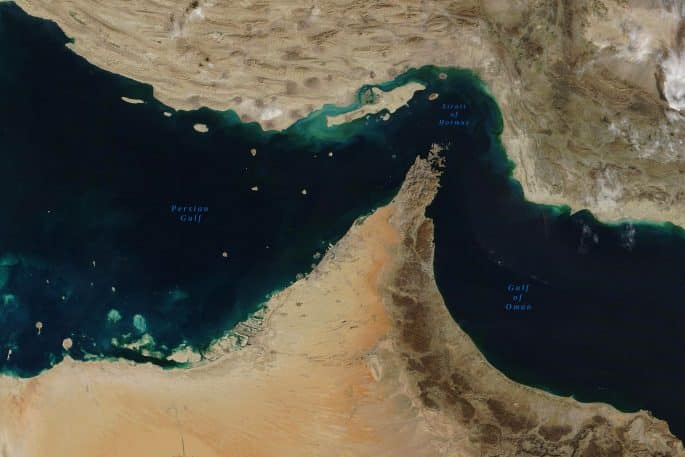
Escalating tensions with Iran have injected fresh uncertainty into global oil markets. Iran remains a significant player in global crude supply, and any disruption, whether through sanctions, military posturing, or actual conflict, sends ripple effects through energy prices worldwide. The Strait of Hormuz, a vital route for petroleum transport, is under threat due to increased tensions.
The administration is seeking bipartisan support for the measure, framing it as a kitchen-table economic issue rather than a partisan one. Gas tax holidays have been proposed before. During the 2022 energy price spike, there were similar calls to pause the federal levy.
Critics of gas tax suspensions typically argue two things. First, that the savings don’t always reach consumers because gas stations and refiners can absorb the difference through higher margins. Second, that gutting the Highway Trust Fund creates a deferred maintenance crisis that costs far more to fix down the line than it saves drivers in the short term.
What this means for markets and your wallet
A gas tax pause is fundamentally a fiscal stimulus measure dressed up as tax relief. The $500 million weekly shortfall either gets backfilled from other budget sources, covered by borrowing, or simply left as a gap in infrastructure spending. If the suspension passes and runs through October 2026, it creates a prolonged period of reduced Highway Trust Fund revenue that could accelerate conversations about alternative funding mechanisms for infrastructure, from mileage-based fees to increased borrowing.
Disclosure: This article was edited by Editorial Team. For more information on how we create and review content, see our Editorial Policy.













 English (US) ·